
Why are colors used in foods and beverages
Colors are used for a variety of different reasons – from fun and playful trends to maintaining a consistent product. Food and beverage manufacturers have their own reasons for adding in colors, but below are some of the most common:
Show a flavor
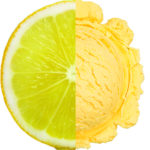
You’ve almost certainly heard the phrase ‘we eat with our eyes’. It’s true – the top reason colors are used in the food and beverage industry is to show what flavor something is and making it visually enticing to a consumer.
We associate different colors with different flavors – yellow for lemon, orange for, well, orange, and red for cherry, for example. Since added flavors don’t have colors, confections and beverages are typically clear without the use of color, making it unappetizing and difficult for the consumer to determine what the flavor is.
Start a trend
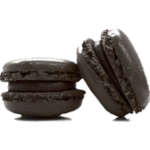
Another common reason colors are used is for trends. Rainbow bagels don’t taste like rainbows, and black ice cream isn’t charcoal flavored, but they are fun to look and provide a picture-worthy eating experience.
Adding colors, especially natural ones, is not always functional but can be an easy way for manufacturers to get creative and give consumers an enjoyable eating experience.
Ensure Batch–to–batch Consistency
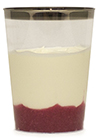
Some products are based on agricultural sources, which can vary in flavor and color from harvest to harvest. This is particularly true of juices, jams, and fillings.
To avoid giving consumers an inconsistent experience and possibly raising questions over their quality, manufacturers may add color to even out variations caused by the crops. This way, the consumer gets the same product each time they purchase.
Replace Color Lost During processing
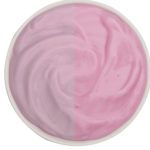
In order to make foods and beverages safe for consumption – throughout manufacturing, to shipping, to store shelf, to consumers’ homes – they are typically put through heat treatments, such as pasteurization, to kill any microbes that could be harmful to consumers. Just about any product – from canned or jarred goods to juices and milks – undergo some type of pasteurization.
While this is great news for food safety and shelf life, these heat treatments can often degrade the inherent color of a product.
To counter this, manufacturers will often add color to bolster the inherent color of their product so the finished good retains a nice, vibrant color. Otherwise, many products would appear dull or even grey – not the most appetizing shades for food.
Regardless of the reason they are being used, food colors play an important role to both the production of foods and beverages by manufacturers and the consumer experience.
Can You Replace Synthetic Colors with Natural Colors
Of course you can replace synthetic colors! There are natural color options that work for just about every color in just about any application.
However, each natural color has its own distinct properties, so you may not be able to get the exact shade, vibrancy, or stability as you can with a synthetic color. That’s why we often call them ‘natural alternatives’ rather than replacements. Below are some considerations you should take into account if you are interested in switching:
How to do it
1) Determine your objectives
When switching to natural colors, the main objective is usually to create a simple label product for consumers. By replacing synthetic colors with natural alternatives, you can already check that off your list.
Secondary objectives are generally cost or hue driven.
Cost
We’ll be honest – natural colors are more expensive than synthetic colors. But there are many economical natural colors available. If you need low-cost natural color, you may have to compromise on the hue of your product.
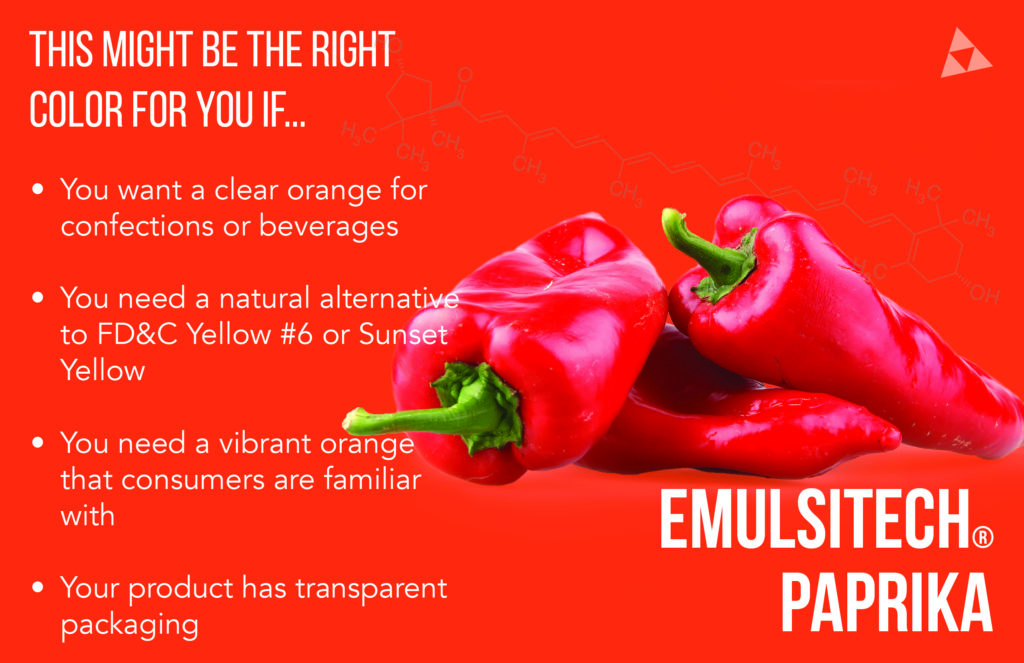
Annatto, for example, is a widely used, economical yellow to orange color and can be used to replace Yellow #5 (Tartrazine) at low dosages or Yellow #6 (Sunset Yellow) at higher dosages in many applications. However, it is not always the best match for either synthetic color. Turmeric and Safflower are generally better matches to Yellow #5 while Paprika is a great alternative to Yellow #6, but the cost for these colors can be higher. Blends can get you even closer to synthetic shades but require development time and expertise.
Hue
Alternatively, if your main goal is to match the color and you have some flexibility around cost, you can generally get a very close match because it opens the door to more color options and custom blends. We use a colorimeter, a device that measures color, to determine which natural color or blend give the closest visual match to synthetics in your formulation.
Can you tell which of these panned candies uses natural colors and which uses synthetic? Hover over each image to find out.
Yellow #5
Turmeric
2) Dosage rates
Dosage rates for natural colors are usually much higher than synthetic colors. Typical use rates for natural colors are between 0.1% and 1.0%, depending on the color strength, your formulation, and your target color.
If your product has specific requirements in terms of water content, like white chocolate or compound coating, you’ll need to take that into account when choosing the color intensity and format (liquid or powder) of your natural color. Don’t worry! There are options to suit just about any need.
3) Packaging
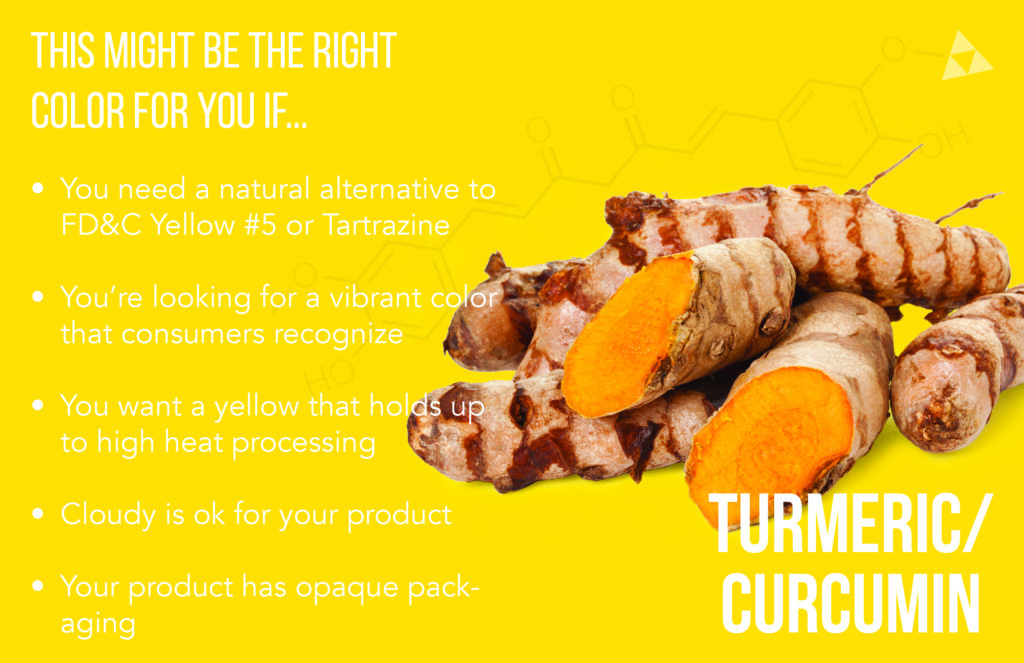
You may also have to make decisions on your natural color based on your packaging. Turmeric can be a great alternative to Yellow #5 (Tartrazine), for example. But unlike its synthetic counterpart, it fades when exposed to light.
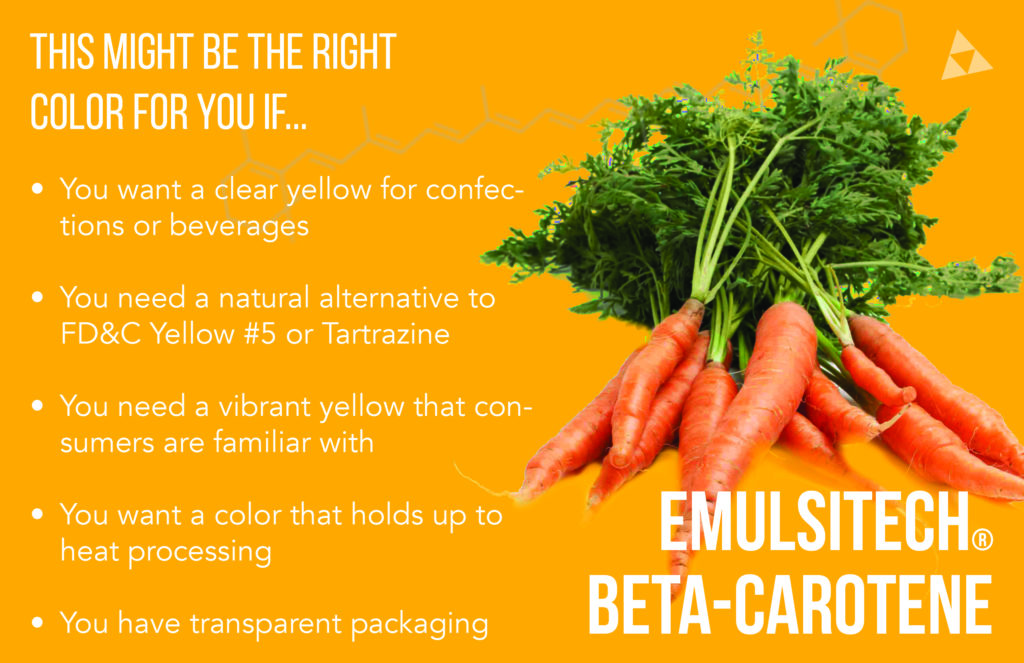
If your packaging is transparent or has a window and changing it to accommodate the color isn’t an option, beta-carotene is a better choice. While the color is not as close of a match as turmeric, it will stand up much better to light.
4) Manage expectations
While there are many natural color options out there to replace synthetics, an exact color match, usage level, or cost might not be possible with your application. ‘Fluorescent’ or ‘neon’ qualities often associated with synthetic colors are the most difficult to achieve. Knowing your development priorities and what areas you are willing to compromise on, will make for a smooth switch.
An experienced color company should be able to work with you to choose the best natural color to replace synthetic colors for your application. Often, a blend of natural colors is the best solution to balance match, stability, and cost. And the premium price that a clean label product commands easily offsets the cost incurred from switching.
Ready to get started? Contact us for a color consult!
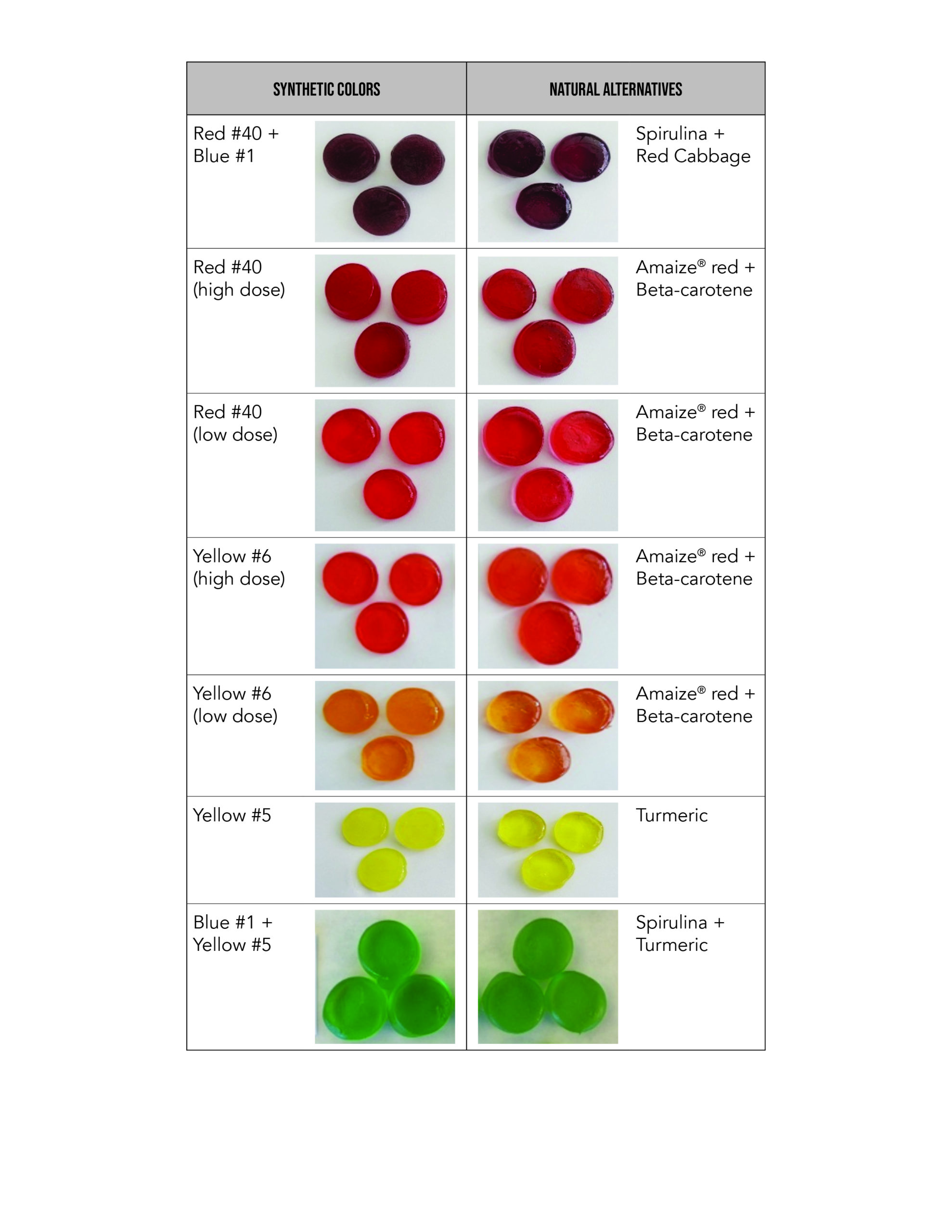
Check out the chart below to see how we matched some common synthetic colors in confections:
Opportunities for Annatto
Newly expanded applications and increased use rates create new potential for bixin & norbixin in the EU & UK
A welcome finale
The 18 pages of Regulation 2020/771 published in June 2020 were a welcome finale to an industry project that started 25 years ago. This new regulation extends the range of foods that annatto color can be used in and increases some of the permitted levels, creating new opportunities for annatto in the EU.
This is particularly good news for manufacturers of products such as confectionery, snacks, and soups which will now have another color option in the European market.
What is Annatto?
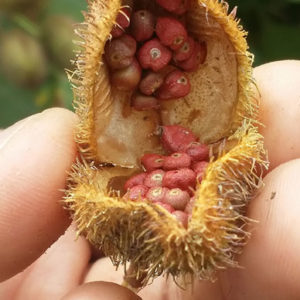
Annatto is a yellow/orange natural color that has been used for many years to standardize the color or give the characteristic color to cheeses like Red Leicester or Mimolette. It is extracted from the seeds of a tropical tree called bixa orellana. Annatto can be extracted as oil-soluble in the form of bixin, or in a water-soluble form called norbixin.
Because bixin has a higher acceptable daily intake (ADI) than norbixin, the new legislation splits these two types, allowing the bixin to be used at higher levels and in additional foods than the norbixin.
A Bit of History
Until the 1994 regulations came into force, annatto was generally used in most foods across the UK and EU. In fact, the UK’s 1993 Dietary Intake of Food Additives reported annatto as being used in products such as confectionery, soft drinks and sauces, all of which had to be reformulated soon afterwards.
As a result of the regulations, the Annatto Interest Group formed in 1995 to develop safety data to support more uses. Now, after 25 years of data collection and analysis, annatto can finally be used again in many applications.
The issue for annatto was never that it was unsafe, but more a case that the safety studies had been carried out on the low concentration extracts available in the 1970s. Based on the levels of annatto extract used, it was calculated that up to 2.5 mg of color per kg of bodyweight of annatto extract was safe to be consumed every day over a lifetime, or ADI, a level similar to other colors.
However, when the ADI was calculated back to the pigment itself it was only 0.065 mg/kg bodyweight/day. With such a low ADI, it was inevitable that the range of uses would need to be limited to ensure proper consumption levels.
The first of the new safety studies were completed and submitted to the FAO/ WHO Joint Expert Committee for Food Additives (JECFA) who reviewed them in 2003 and subdivided the products into 6 sub-categories. The ADIs of the popular products were increased significantly. Data was submitted again to the EU in 2008, 2011, and 2016.
Finally, in March 2019, EFSA published their opinion allocating an ADI for the new annatto sub-categories and a set of uses where “the level of exposure does not raise a health concern”. This led to the publication of the new regulations in June 2020.
So, what are the new permitted applications?
Dairy applications have always been important, but there are opportunities for annatto in a wide variety of other foods. The items that can newly contain either form of annatto or that have increased use levels can be found in the chart* below.
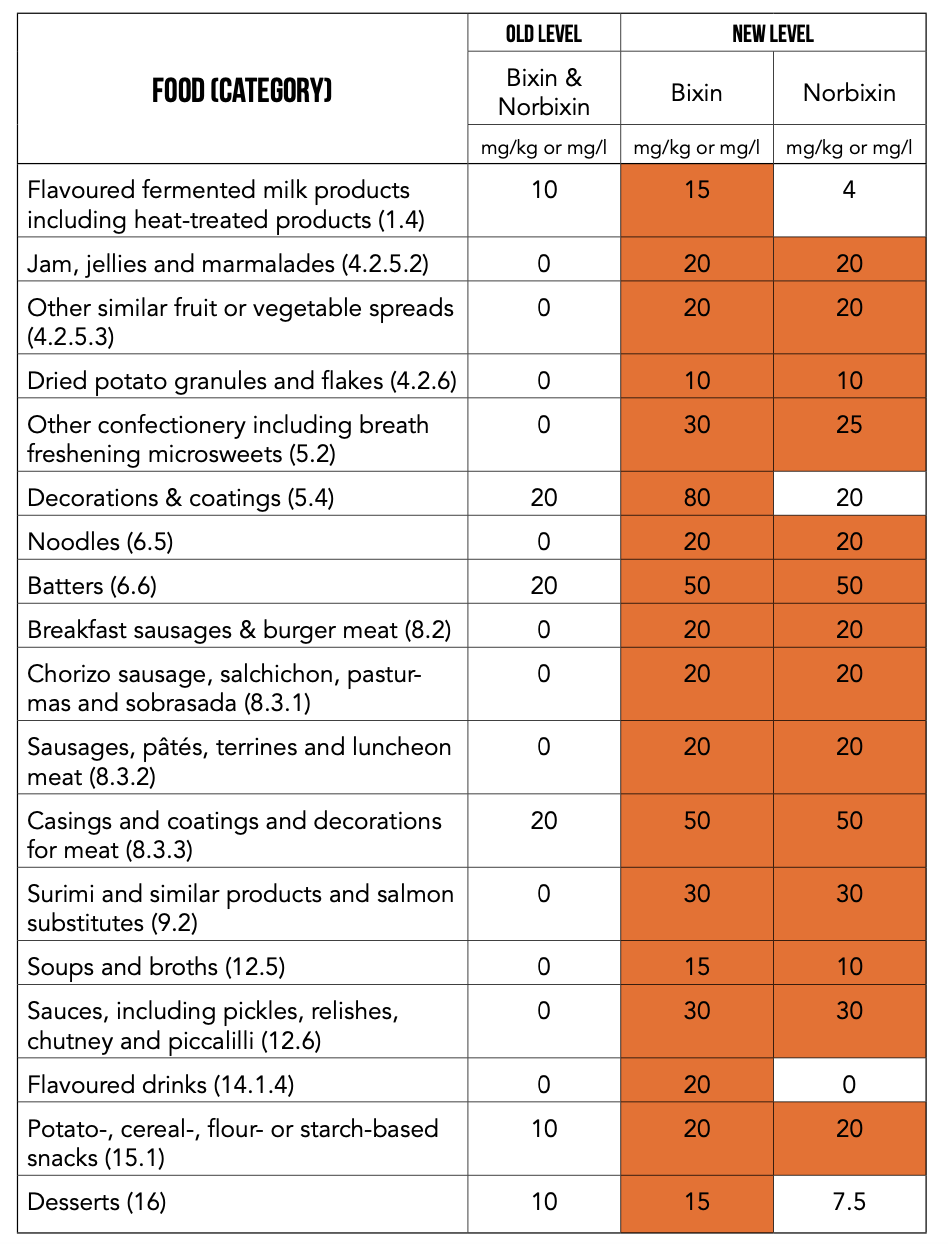
*This chart shows only applications with increased use levels of annatto. For a full list of changes, please see the full regulations.
Suspensions and Emulsions: What’s the difference?
What are suspensions and emulsions? Natural colors, like any organic molecule, have diverse solubility characteristics, which are crucial factors when developing solutions for food and beverage applications. Anthocyanins, for example, are typically pink to red in color and are soluble in water, while yellow to orange carotenoids, like beta-carotene and paprika, are naturally soluble in fats and oils.
But what happens when you need a pink color for compound coatings? Or you’ve been asked to reformulate a yellow beverage with a natural color source?
Processing technologies, such as suspensions and emulsions, are the key to expanding the palette of colors possible for such instances.
Oil Dispersible Suspension Technology
The first processing technology is suspension technology. Oil dispersible suspensions utilize processing techniques that convert both fat and water soluble pigments into suspensions that will more easily and evenly blend into a fat/ lipid system without the risk of speckling. It is commonly used to provide product developers with those pink to red shades from anthocyanins, as well as a wider range of browns, yellows, oranges, and purples.
Suspensions of caramel or anthocyanins are commonly used in coatings, fillings, and seasonings while suspensions containing annatto, paprika, or turmeric impart the signature yellows and oranges in snack slurries, processed cheese color, margarines, and spreads.
Water Soluble Emulsion Technology
The second type of processing technology is emulsions. Natural color emulsions are created by converting natural colors from oil soluble forms into water dispersible forms through the use of a high shear homogenizer. Natural color emulsions are typically made from yellow and orange carotenoid sources like beta-carotene and paprika. They perform well in both water or mixed phases, enabling even color distribution across both phases with minimal mixing.
No matter what application you are working with or what your target color is, there is typically a technology to help you achieve it. Have questions on which is the best technology for your application? Get in touch, we’re happy to help.
Choosing the right natural color
There are hundreds of different types of natural colors from dozens of different sources and figuring out how to choose the right natural color for your product can seem daunting. So, we’ve broken down the key factors to help you choose the right natural color option for your application. Need a quick overview? Check out the infographic here.
Heat
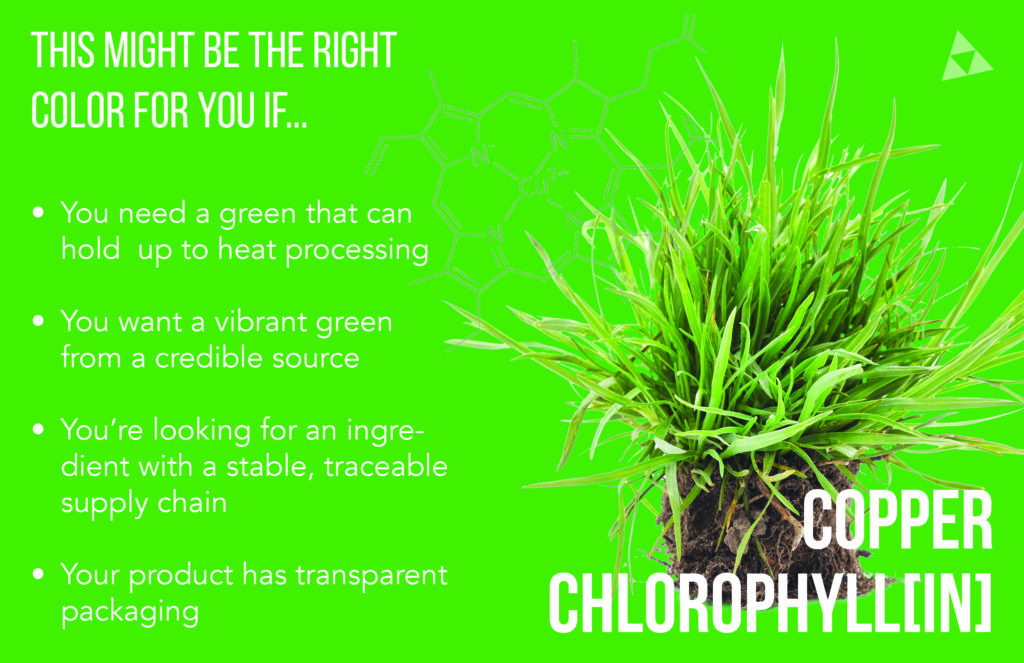
If your product undergoes heat treatment, like HTST, pasteurization, baking, or extrusion, you’ll want to choose a heat stable natural color. Fortunately, many natural colors can withstand some heat. These include anthocyanins, carmine, beta-carotene, annatto, turmeric, copper chlorophyll[in], and carbon black, as well as caramel colors, Naturbrown® ingredients, and burnt sugars.
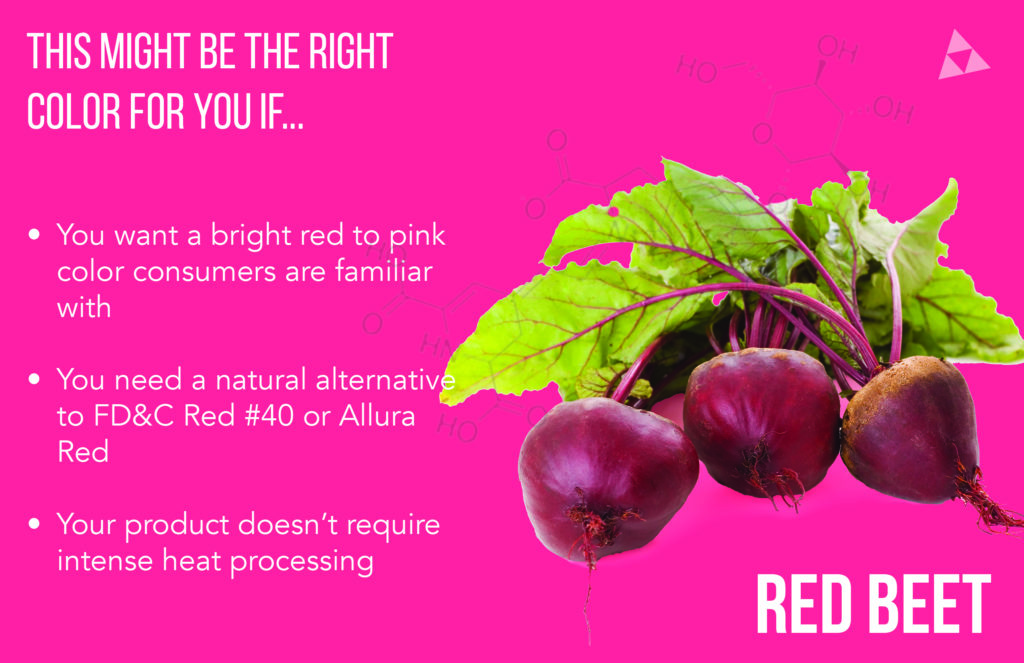
The natural colors that notoriously fade with heat are beet and spirulina. In the case of beet, overdosing (or adding more color than you need up front), may be enough to compensate for some fade, but in general, you’ll want to avoid both of them.
Light
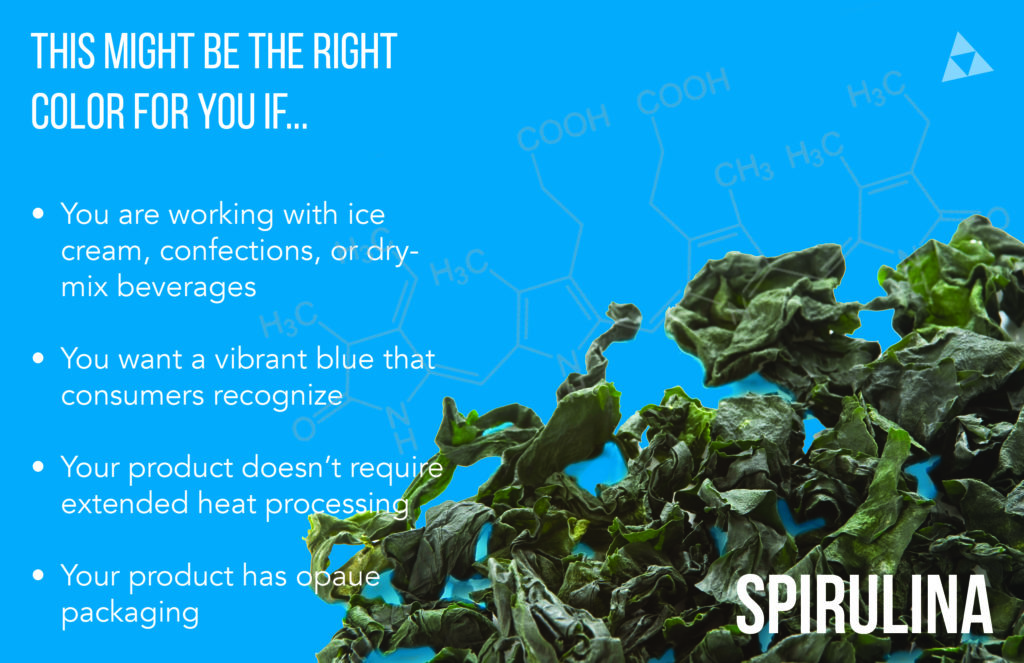
Just like with heat, some natural colors perform better with light exposure than others. If your packaging is clear or has a window, avoid turmeric and opt for beta-carotene, for example. Another natural color that doesn’t like light is spirulina.
If you are making a blue product, since this hue has limited options, you may want to use opaque packaging or eliminate the window to protect the integrity of the color.
pH
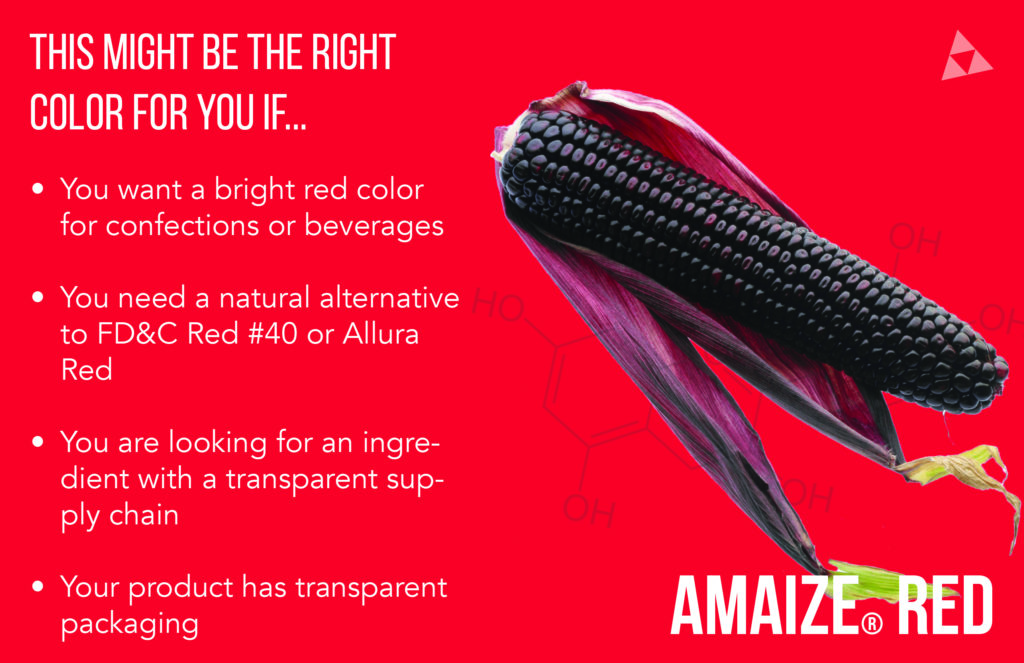
Anthocyanins, like Amaize® red, purple carrot, and elderberry, are pH sensitive colors. This means the hue will shift depending on the pH of the application they are in. So, if you are working with a beverage or a confection at a low pH it will appear red, but if you try to use it at a higher pH, it will turn purple-y blue. If you want to aheive a red hue at a higher pH, opt for non-anthocyanin sources like carmine or beet.
The other color that is sensitive to pH is spirulina (yes, again). It performs best between pH 4 and 7 and will precipitate out of solution if used outside these parameters.
Most other natural colors are fairly stable to a wider pH range but very few will work in a pH under 2, like for soda concentrates.
Check out the guides below to find out which natural color might be the right starting point for your product:

Salt
Most savory applications have 5% salt or less, so many natural colors can be used. But others, like soy sauce, contain up to 20% salt. To avoid precipitation/haze in high salt applications, be sure to use caramels specifically developed for salt stability. Natural colors will not work for applications like soy sauce.
Storage
Ambient? Refrigerated? Frozen? Certain storage conditions can cause fading while others prevent it. For ambient storage, go for robust colors like caramel, annatto, and beta-carotene.
Refrigerated or frozen products, like ice creams, and ready meals on the other hand, are great for preserving the vibrancy of natural colors, allowing for just about any natural color to be used.
Ingredient Interactions
The natural colors you have to be most careful with in terms of ingredient interactions are natural color emulsions. If your product contains an emulsifier, be sure to check that the emulsifier used in the natural color formulation is compatible with the other ingredients that make up your formulation. Otherwise, you may end up with a broken emulsion.
Other ingredients to be aware of are vitamins and minerals, which can cause natural colors to fade in the final product.
Flavor
Your flavor will also help guide what natural color to choose. For example, If you are going for a lemon flavor, turmeric and safflower are generally your best yellows for the job because they can provide very bright, almost neon yellow colors. But if you are going for a pineapple or mango flavor, beta-carotene or annatto may be better options because they can provide more golden or orange-y yellows that consumers more closely associate with these flavors.
It’s important to note that many manufacturers need blends to achieve the right color for their flavor. Not only does this help create more options to get the shade just right, but it also allows for differentiation, so no two flavors look the same.
Country
Every country has regulatory requirements so it important to know where you will be selling your product as this can impact natural color selection. For example, safflower is a great bright yellow option for confections in the EU, but it is not permitted as a color in the US and you’ll have to go for turmeric instead.
Greens and blacks are also difficult to create on a global scale. Chlorophylls are widely used in the EU and Latam but are not permitted in the US outside of dry mix beverages. Similarly, carbon black is permitted in Canada, the EU, and certain Latin American countries but not the US and other Latin American countries. Be sure to check the regulations for your specific region before picking out your color.
As you can see, figuring out how to choose the right natural color for your application can be difficult, but when you get the right color, your application will go unrivaled! Want some help? Contact us with your questions.
Choosing the best caramel colour for soy sauce
Soy sauce represents a huge customer sector for caramel color – in Asia, the demand for caramel color for use in soy sauce exceeds that for beverages. The primary purpose of adding caramel to soy sauce is to enhance the color shade. However, it offers additional benefits to soy sauce: it can reduce batch-to-batch variation, improve color adhesion to meat and noodles, and contribute to viscosity and mouthfeel. There are a variety of caramels, each with different hues and viscosities, to suit the needs of each manufacturer.
Color
The two main reasons for adding color to soy sauce are to improve the hue and to create batch-to-batch consistency. Because red-brown hues are typically preferred for soy sauce, choose a red-toned caramel over one that has a yellow-brown tone.
When adding color to improve batch-to-batch consistency rather than improve color tone, go with a caramel that is as close to your target color as possible so you have flexibility with dosage levels depending on the color of the batch. This ensures that consumers always receive a consistent, high quality product
Adhesion
Color adhesion to protein and noodles is extremely important as it allows consumers cooking at home to achieve a bright red-brown savory color in their meals. While class III caramel colors are the most commonly used to color soy sauce due to their red–brown color and salt stability, they are not the best options if the goal is to improve the staining for meat or noodles.
Red-toned class I and IV caramel colors developed specifically for salt stability are generally better options as they can help soy sauce adhere better to protein and noodles.
Viscosity & Mouthfeel
Depending on the region of use, caramel color can also be used to increase the viscosity and improve the mouthfeel of the final product. Some manufacturers add up to 20-30% caramel color to get the right consistency. If this is the main goal, be sure to select a high-viscosity class III caramel color for the best results.
Stability
While color, viscosity, and mouthfeel are all important reasons for coloring soy sauce, they main requirement of a caramel color for soy sauce is that it must be stable in 20% salt solution to even be considered. Caramel colors that are not salt-stable will form a haze in in the sauce and precipitate out. If a soy sauce is highly concentrated (above 20% salt solution), it is best to add the caramel color after the sauce is diluted in order to prevent the color from falling out of suspension.
Ready to get started? Request a sample here.
Transparent Supply Chain: Amaize® Red
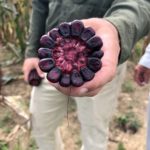
Colors are essential in product development and choosing the right one is critical. Historically red has been achieved with FD&C colors like Red #40 and Red #3, however, with increasing consumer demand for clean label foods, the product development trend has clearly tipped toward colors derived from fruits and vegetables. That’s why we developed Amaize® red, a natural color from Purple Corn.
Anthocyanins are widely used because they are the most stable natural reds – surviving sugar boils and pasteurization. But the supply chain for sources such as elderberry and black carrot is limited to a few EU countries. And as more food companies switch to natural sources a much greater supply of plant-based colors will be necessary.
So, if you are looking for a natural red source that comes with a transparent supply chain, diverse growing regions for contingency planning, and scalability to meet demand, black carrot and elderberry may not be ideal. We’ve addressed these challenges by partnering with leading agronomists and responsible local farmers to bring to market a new red color that checks all the right boxes as the ideal natural red color.
Farmers First
Amaize® red could not be what it is without the farmers – quality control and sustainability begin with them. We work with our partners to select the farmers committed to best management practices. They have the means to limit their use of non-renewable resources, make less impact on the environment, and grow a healthy and profitable crop.
Traditional Breeding Practices
We purposely partner with those committed to traditional agricultural knowledge and breeding practices to improve crop productivity and increase color yield.
The work is largely done by hand in its natural growing season. And, while this takes longer, the time and effort are worth it to achieve a climate hardy hybrid that is non-GM and can be grown organically.

Practical, Economical, Beneficial
Highly efficient processes exist for growing, harvesting, transporting, & storing corn. Unlike other crops used to produce color, corn can be dried in a cost-efficient manner and stored in bulk to preserve quality. This allows for flexible planning & response to changes in demand. Better yet, our manufacturing model allows us to use 100% of our spent corn. It is sold to local farmers to use as feed for their cattle, reducing waste and helping local farms maintain costs.
Why does transparency matter?
Food quality and transparency have become increasingly important as consumers seek to better understand the food they buy. A fully transparent supply chain extends visibility and enables a true farm to fork view of the path that products take to the consumer.
Want to know more about this amaize-ing color? Learn more here.
Caramel Color – What Does it work in?
It works in everything!
Some people just can’t believe how versatile our caramel colors are… We hope this clears things up a little!
An Amaize®ing Story
Seed to Sip
Amaize® is a natural color that can provide some stunning shades of red and has a fully transparent supply chain! But be careful… this seed to sip story can be pretty powerful!