
Natural Colors for Gluten Free Snacks
Over the past several years, the popularity of gluten free and vegan snacks has skyrocketed. According to Innova Market Insights, ‘gluten free’ has been the second most used health related positioning claim in snack launches between 2019- 2022, closely behind No additives/ No preservatives. Using natural colors for gluten free snacks is the perfect way to meet the claims consumers are looking for while still differentiating your snacks in the market. We’ll take you through how to do this below!
Coloring the Base
While gluten free and vegan snacks can include more traditional base grains and starches, such as corn and potato, many food companies are getting creative by using various pulses and proteins that typically aren’t found in the snack aisle. These include options like chickpea, soy, and pea protein bases.
While being great options for contributing new and different flavors and textures, they can also add yellow, brown, or other undertones to an uncolored base, which will need to be considered if you plan to color the dough of a baked or extruded snack, for example.
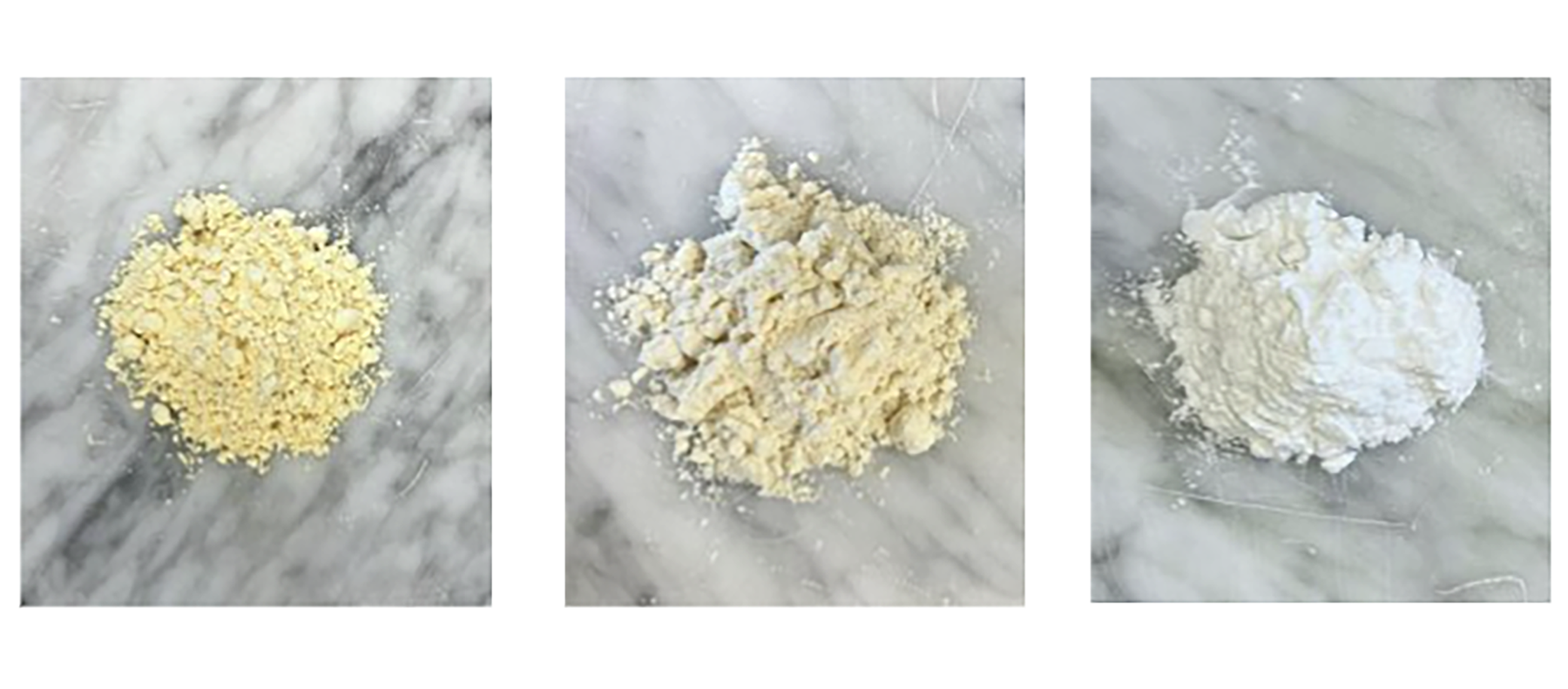
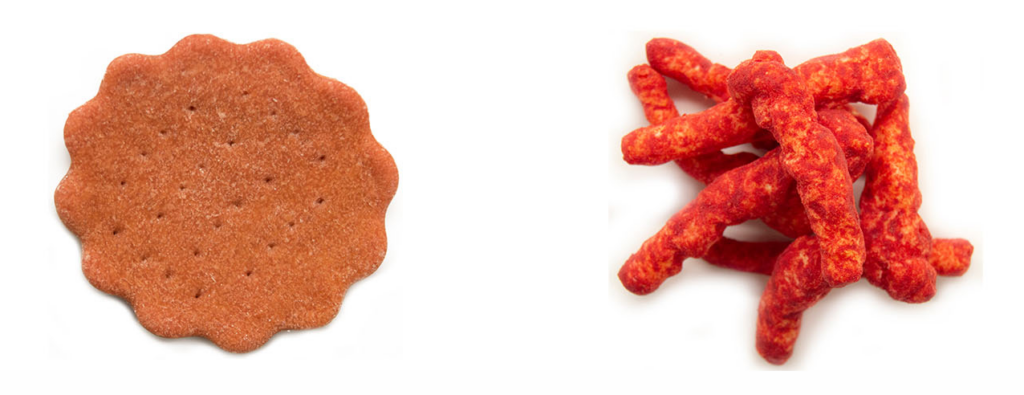
Adding colors like annatto, paprika, or turmeric into a more white-colored potato starch base versus into a tan-colored chickpea base will create two very different looking snacks in the end. You can see in the image below, when paprika is added to different extruded base materials, the color appears different due to the undertones. Adjusting the dosage rate or the color used – either by blending or switching to one that may have a higher strength – are options to help achieve vibrant shades despite the base color.
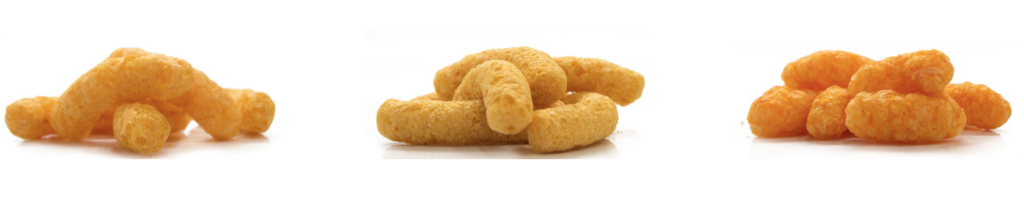
For vegan snacks, eliminating ingredients like butter or eggs can also require the use of natural colors to add back a richness to the color, such as beta-carotene to give the golden tone of an egg yolk one can find in some baked snacks.
Coloring the Coatings
If the base color is impacting the final shade you want, another way to enhance or add color to your snack is through the seasoning or slurry mix that is applied to the outside of the finished snack. This allows you to combine the colors and the seasoning coating to build the color combination you want. Since it is applied to the outside rather than being incorporated with the alternative flour, the undertones have less of an impact on the vibrancy of the natural colors.
If your flavor is already incorporated into the dough, the other option for external application is to only use the colors in the coating to show your snack’s flavor, such as an orange-colored cheese powder made with annatto extract. You can see in the image below, seasonings applied to a regular white potato chip and a yellow-toned corn chip still appear vibrant despite the difference in the base color.
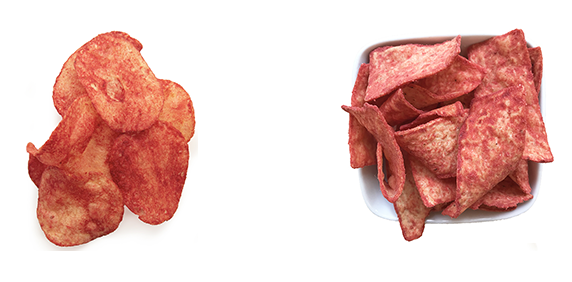
No matter what snack base and coating combination your team is creating, we can help you find the best natural colors for gluten free snacks. Get started by requesting a natural colors sample kit for snacks or contact us with your snack questions.
Top 5 Considerations When Coloring Snacks
With so many different types of natural colors, choosing the right one for your snack application can feel daunting. Whether you’re creating chips, crackers, popcorn, or pretzels, there are some important factors to consider when choosing a natural color. We’ve broken down the top 5 considerations when coloring snacks to help you make the best decision.
1. Delivery System
The first factor to consider is your color delivery system. When or where will the color be added? If you’re adding it directly to the base of crackers, tortilla chips, or extruded snacks, you have the option of using a powder for dry blend mixtures or liquid for a wet dough. In both cases, you’ll need heat stable colors, such as annatto, turmeric, paprika, and copper chlorophyll[in] to provide the best results after the high heat of baking, extruding, or frying. Both oil and water-soluble colors are available in a wide variety of popular snack shades to fit your formulation.
You might also want to add the color to the snack seasoning or slurry that’s sprayed or coated on the outside towards the end of the process. Heat stable powder colors can be coated on fried snacks just out of the oil, while colors with lower stability can be added to fatty slurries and then sprayed onto the snack. Knowing how you plan to deliver the color helps determine the best color form for the snack in question.
2. Processing Conditions
How a snack is processed can also make a difference when choosing a natural color. Is it going to be baked, fried, or extruded? If it’s baked, are you using a batch or a continuous oven? What does the cooling process look like? Natural colors like annatto, paprika, and beta-carotene are ideal for snack applications since they can withstand high temperatures. Other colors, such as beet, appear most vibrant when added to seasonings or coatings where they aren’t exposed to high heat conditions.
3. Flavor/Target Shade
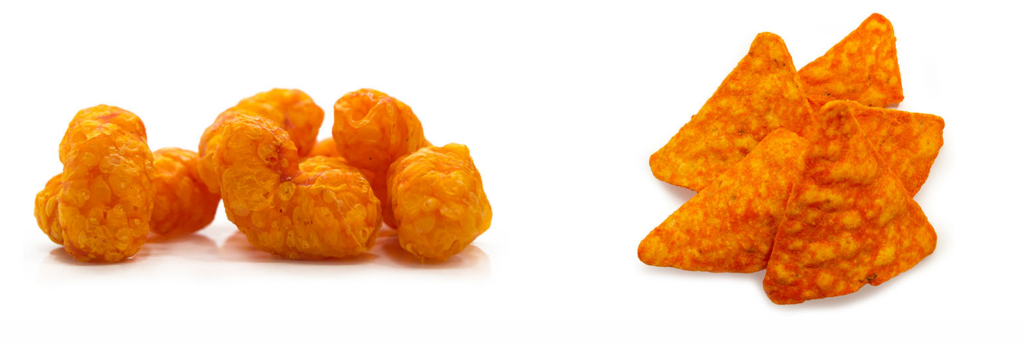
With so many new and different flavors on the market, having a target hue in mind for your snack’s final appearance is key. This helps determine if your shade can be achieved with a single color – like annatto – or if a blend is needed to get the right hue. There may be a product already on the market with a hue you are trying to match – either naturally or synthetically colored – or maybe you’re developing a brand-new snack product, with a flexible range of acceptable hues you’ve selected from color swatches. And if you need help hitting that perfect shade, we can help you with the color matching process.
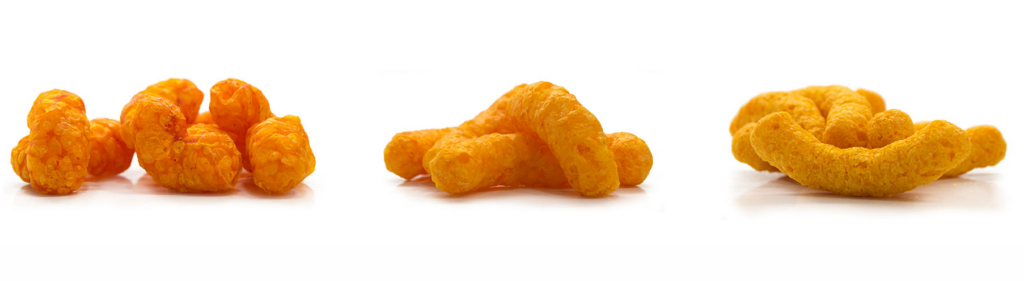
Different snack bases can also result in the appearance of the final color in the end product. Chickpea, potato, and corn flours all have different undertones that will require different dosage rates to achieve similar colors, as seen in the image below.
4. Regulatory & Commercial Limitations
Understanding where and how your snack product is going to be marketed and sold is critical when selecting natural colors. Every country has their own regulatory requirements, and that can limit which colors, and how much of them, can be used. For example, carbon black is not permitted for use in any food application in the United States but has been approved for use in other regions.
Even if a natural color is permitted for use in a certain region, there may still be limitations surrounding how it is used.In some regions, natural colors, like annatto and carmine, have maximum use limits by specific application types.Other products may require specific regulatory certifications, such as Kosher, Halal, Certified Organic, or Non-GMO Project Verified that require additional care when deciding on the right natural color.
5. Storage & Packaging
How will your snack product be packaged and stored? The type of packaging is a key factor when determining which natural colors will stay vibrant during the entirety of the snack’s shelf life. Some colors are more light-stable than others, so if the packaging is clear or has a window, be sure to select colors with good light stability, such as beta-carotene and annatto as opposed to turmeric, which performs best in opaque packaging where it’s protected from light.
It’s also important to determine your snack product’s expected shelf life and storage conditions. How long is the product expected to last once it’s packaged and at what temperature will it be stored? Knowing this information up front will help determine the best natural colors to use.
Figuring out how to choose the right natural color for your snack application can be difficult, but when you choose the right one, your scrumptious snacks will crush the competition! Need some help deciding? Contact us with your questions or get started with a sample kit.