
Podcast: Amaize® Red
Amaize® Red
From corn to color and beyond
Speakers: Jason Armao, SVP Science & Innovation and Karim Ben Hassan, Senior Research Development Scientist for Sense Colour
In this episode, we’ll be unveiling the power of Amaize® Red, a groundbreaking natural colour derived from purple corn. Discover why corn was chosen as a sustainable source and how we ensure full traceability. Gain insights into the agronomy behind optimising colour yield and the meticulous breeding process involved in developing a non-GMO hybrid. Learn about Amaize® Red’s functionality and versatility in various applications, and its minimal processing. Finally, we’ll conclude by exploring the future of colours from corn.
Thirsty for more content? You can listen to our other podcast episodes here.
Amaize® Red:
A New Anthocyanin Source
Red from Purple Corn
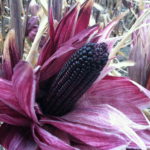
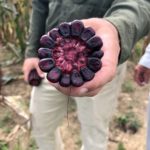
Introducing a simple label red color from anthocyanins that has a completely transparent supply chain from seed to sale: Amaize® red from purple corn!
How Are Natural Colors Made?
How are natural colors made?
Just like how natural colors come from a wide variety of places, they can also be made in a number of different ways. A lot of how a natural color is manufactured is based on whether the pigment is oil soluble or water soluble.
The different solubilities require different methods for removing the color from the natural source. Extraction methods can also vary based on how the color is contained within the source – whether the color is on the exterior part of the crop, in the flesh, or part of the seed. We’ll talk about the different types of extraction below. After extraction, the colors are concentrated for maximum vibrancy with low use rates.
Water Soluble Natural Colors
Juicing, Griding, & Crushing
When the color is water soluble and is contained within the fruit of the source – like with red beets or purple carrots – physical methods, such as juicing by crushing or grinding, are most commonly used. In this processing, the beets or carrots are run through a machine that crushes them until all the juice is extracted. The juice can then be concentrated down to different levels and either kept in liquid form or sent on to a dryer to make powders.
Water Extraction
When the color lies on the outside of the natural source, like with purple corn, carmine, and spirulina, water extraction is a great option. In this process the natural source is soaked in water. Since the pigment is water soluble, it easily dissolves, creating a colorful liquid that can then be concentrated to different levels using an evaporator. Similar to the grinding or crushing method, these colors can then be sent on for drying or be kept in liquid form.
You can see this method in action by watching our video on how we make our Amaize® Red.
Oil Soluble Natural Colors
Solvent Extraction
Oil soluble pigments, such as beta carotene, annatto, paprika, and turmeric, are typically found within the plant/organism, and often require what is called ‘solvent extraction’ in addition to crushing or grinding.
The first step is to crush or grind the source. A solvent is then used to separate the pigment from the plant because the pigment isn’t able to dissolve in water. While the word solvent may sound scary – don’t worry – the solvent can be as simple as vegetable oil or alcohol which can be used to dissolve oil-based pigments (water is the ‘solvent’ in water extraction). These can also include several stronger organic solvents that are approved for use in food.
Like the water soluble natural colors, once the color has been obtained, the solvent is evaporated out, and the color is diluted to different color strengths.
Whichever type of method is used, it is important to extract and concentrate the color as soon as the pigment has been disturbed (such as by crushing) in order to maintain peak quality and vibrancy.
Transparent Supply Chain: Amaize® Red
Colors are essential in product development and choosing the right one is critical. Historically red has been achieved with FD&C colors like Red #40 and Red #3, however, with increasing consumer demand for clean label foods, the product development trend has clearly tipped toward colors derived from fruits and vegetables. That’s why we developed Amaize® red, a natural color from Purple Corn.
Anthocyanins are widely used because they are the most stable natural reds – surviving sugar boils and pasteurization. But the supply chain for sources such as elderberry and black carrot is limited to a few EU countries. And as more food companies switch to natural sources a much greater supply of plant-based colors will be necessary.
So, if you are looking for a natural red source that comes with a transparent supply chain, diverse growing regions for contingency planning, and scalability to meet demand, black carrot and elderberry may not be ideal. We’ve addressed these challenges by partnering with leading agronomists and responsible local farmers to bring to market a new red color that checks all the right boxes as the ideal natural red color.
Farmers First
Amaize® red could not be what it is without the farmers – quality control and sustainability begin with them. We work with our partners to select the farmers committed to best management practices. They have the means to limit their use of non-renewable resources, make less impact on the environment, and grow a healthy and profitable crop.
Traditional Breeding Practices
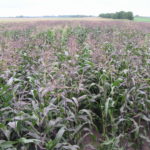
We purposely partner with those committed to traditional agricultural knowledge and breeding practices to improve crop productivity and increase color yield.
The work is largely done by hand in its natural growing season. And, while this takes longer, the time and effort are worth it to achieve a climate hardy hybrid that is non-GM and can be grown organically.
Practical, Economical, Beneficial
Highly efficient processes exist for growing, harvesting, transporting, & storing corn. Unlike other crops used to produce color, corn can be dried in a cost-efficient manner and stored in bulk to preserve quality. This allows for flexible planning & response to changes in demand. Better yet, our manufacturing model allows us to use 100% of our spent corn. It is sold to local farmers to use as feed for their cattle, reducing waste and helping local farms maintain costs.
Why does transparency matter?
Food quality and transparency have become increasingly important as consumers seek to better understand the food they buy. A fully transparent supply chain extends visibility and enables a true farm to fork view of the path that products take to the consumer.
Want to know more about this amaize-ing color? Learn more here.
An Amaize®ing Story
Seed to Sip
Amaize® is a natural color that can provide some stunning shades of red and has a fully transparent supply chain! But be careful… this seed to sip story can be pretty powerful!