
As consumers focus more on health and nutrition, demand is increasing for products that provide mindful and ‘healthy’ food and beverage experiences. Natural colours for vitamins and supplements can help products stand out from the crowd and are often perceived as ‘better for you’ by the consumer. Whether you’re looking to develop a new vitamin or supplement, protein drink, or fiber-fortified gummy, there are some important factors to consider when using natural colours. We’ve broken down the top five considerations for colouring dietary supplements to help make your decision easier.
1. Product Formulation
Dietary supplements come in many forms. Innovation in this space has allowed companies to offer the same product in a variety of formats so the end consumer can choose what’s best for them. These include tablets, capsules, gummies, and powders.
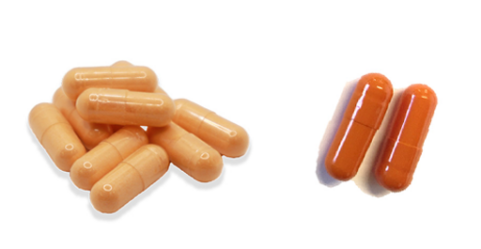
When starting to use natural colors in a dietary supplement application, it’s important to think about how the color will be incorporated into the format you’ve chosen. For example, let’s say you’ll be adding color to a capsule. Will you be adding the color to a powder inside a transparent capsule shell or coloring the capsule shell itself? You’ll see examples of each scenario in the photos below.
This is an important consideration for using natural colors in vitamins and supplements since the various formats could require different processing instructions, usage directions, and shelf-life considerations which can all influence which natural colors will be most successful.
2. Base Color & Other Ingredients
The next consideration for using natural colours in vitamins and supplements is the base colour of the product. Botanicals, vitamins, and minerals can all impart their own colour, therefore influencing the colour of the product before your natural colour is added.
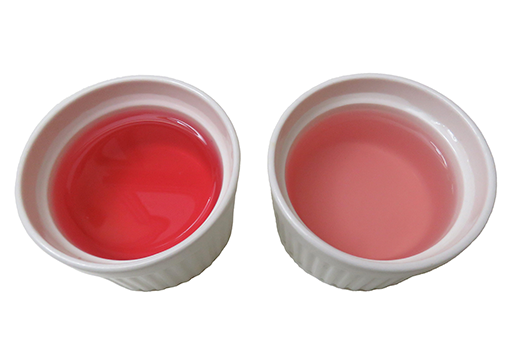
Other ingredients like certain vitamins and minerals can interact with natural colours, causing reactions such as speckling or fading. In the example below, vitamin C has been added to a beverage coloured with black carrot. The beverage on the right with the vitamin C added has faded from its original colour.
To avoid these unwanted interactions, we recommend working directly with our application scientists. Sharing as much ingredient information about your products as possible can help them select the right colour for your supplement and help you reach your target shade.
3. Processing and Usage Instructions
Processing instructions, especially heat processing, are essential to consider when selecting a natural colour. Supplements such as gummies and soft gels are typically exposed to heat during production so heat stable colours like caramel, carmine, annatto, and curcumin are ideal. If you know the temperature and duration your product is processed, a colour scientist can help you select the best natural colours that can withstand your specific processing conditions.
Other supplement forms like hard capsules, tablets, and powders are usually not exposed to a heat treatment step, however, they do have different consumer usage instructions that affect color selection. When a consumer takes a hard capsule or tablet, the product is already in a form they can use right away. The surface shade of the capsule or tablet will be the only way the color is observed by the consumer.
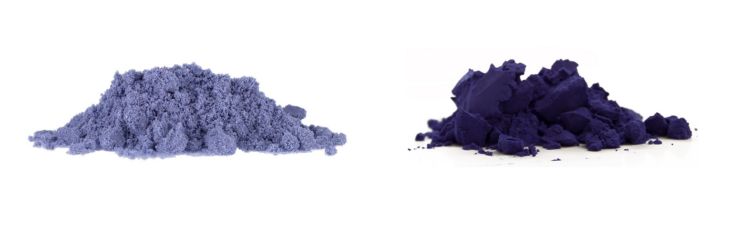
On the other hand, when a customer uses a powder, such as a vitamin beverage mix, they will usually dissolve it in water or another liquid before consuming. High hue color powders typically appear very dark, so it will express a different color in powder form than when dissolved in a liquid. Low hue powders are often preferred for these applications because they provide a more vibrant surface shade similar to the color of the dissolved liquid.
4. Regulatory
The country or region of final sale for your product can also help narrow down the options when choosing a natural colour. Depending on the region where the product will be sold, there are different regulations that detail which colours can and cannot be used.
The type of dietary supplement is also important to consider for regulations. There are specific regulations that outline which colours can be used in which type of supplement applications, and these vary between countries. For example, carbon black can’t be used in dietary supplements in the US, and titanium dioxide is now not allowed in the EU.
5. Packaging and Shelf Life
Finally, it’s important to consider the type of packaging your product will go into and the intended shelf life. Certain natural colors, like curcumin and spirulina, are susceptible to color fading from light exposure and perform best in opaque packaging. Other natural colors, like caramel, annatto, and carmine, hold up very well to light and can be sold in transparent packaging.
Figuring out which natural color works best for your dietary supplement application can be tricky, but our experts are here to help you through the process. Need some help deciding? Contact us with your questions or request a natural color sample to get started!
Related posts

Reinventing the Palette for Sweet Goods
Going Beyond Replacement Sweet indulgent foods, like candies, bonbons, and cakes, are meant to be fun, delightful treats with no huge expectation for nutritional value or healthy properties. Consumers want sugary foods that offer delicious and memorable
Podcast: History of Colours
Past and Present of Food ColoursYou have to know the past to understand the present Speakers: Catalina Ospina, technical marketing specialist and Katie Floyd, marketing specialist. With all of the news about food colour, we dive into the history of both

Healthy Indulgence: Colourful Goodies for Gen Alpha
The colour of healthy indulgence: BFY snacks Gen alpha ate! Figuratively and literally! Their ever-growing influence on household purchasing decisions is driving the development of adventurous sweet treats and confections. Digital experiences, visual appeal,

Podcast: Visual Flavour
Visual FlavourHow Colours Enhance Snack Experiences Speakers: Catalina Ospina, technical marketing specialist; Lora Sparks, digital marketing specialist; Scott Ondracek, senior regulatory specialist (and snack guru). In this podcast episode, we try several

Colouring Healthy Snacks
The colour of healthy indulgence: BFY snacks What is snacking for you? Is it any food that is consumed between the main meals? Or something to deter hunger + boost stamina when energy is dwindling mid-afternoon? Or maybe even a treat to relax and celebrate

Snack Trends of 2025
Colorful snacking trends to watch and enjoy Snacking is a universal habit, and yet, we all snack differently according to our demography, age, and cultural context. Terms like “empty calories” or “ultra processed foods” didn’t exist in the