
Food that Colours Your Food
Most people are already familiar with the concept of natural colours. In most cases, these are typically considered food additives. However, you’ve probably also heard or read about a type of natural coloring called ‘colouring foodstuffs’, or just ‘colouring foods’. But what are colouring foods exactly, and why are they so attractive in food product development? In this article we’ll take you through what are colouring foods and some considerations for use.
Colouring Foods: The Target Market is Key
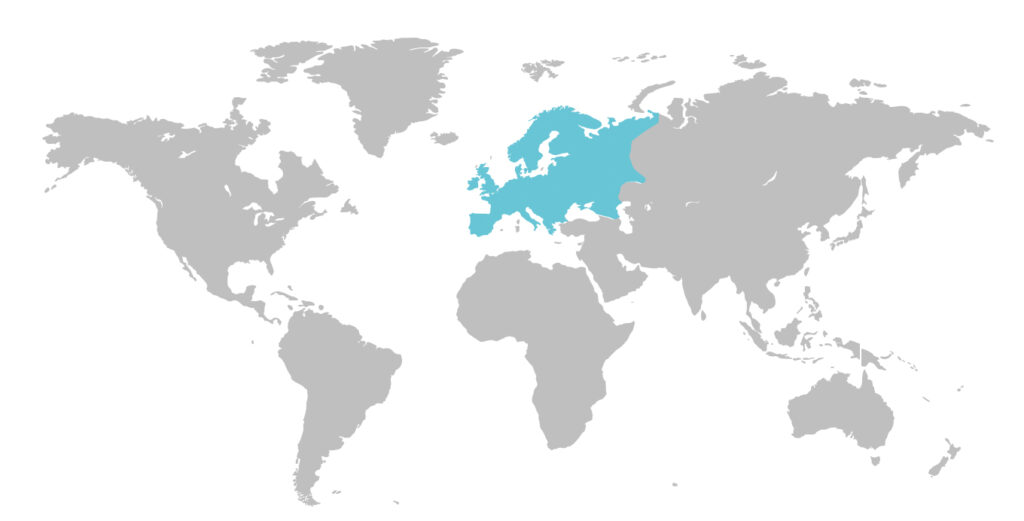
The first thing to understand is that the regulatory standpoint pertaining to colouring foods is not universal. This designation exists mostly in the European Union and a few other countries including the UK and Canada. But their popularity has been increasing because they provide familiar labeling options for consumers. According to Mintel between 2019 and 2022, 20% of new product launches containing colour in the EU and UK used colouring foods!
Other countries or regions are actively evaluating the use of foods and food ingredients added for the primary purpose of imparting colour. So, if you’re interested in using these types of colours, it’s important to have an adequate and thorough regulatory assessment for your target market to understand labeling and to make sure that the ingredient in question has a recognized history of use as foodstuff there.
But What are Colouring Foods?
Colouring foods are preparations or ingredients, like juices, purees, or powders, that are used in foods to impart colour while maintaining the nutritive, aromatic, or sapid properties of the source material. In other words, they are used because they look great colour-wise and are still ‘regular’ food ingredients or some sort of minimally processed form of them. What differentiates them from color additives is that from the EU perspective, they do not undergo “selective extraction”.
Selective Extraction
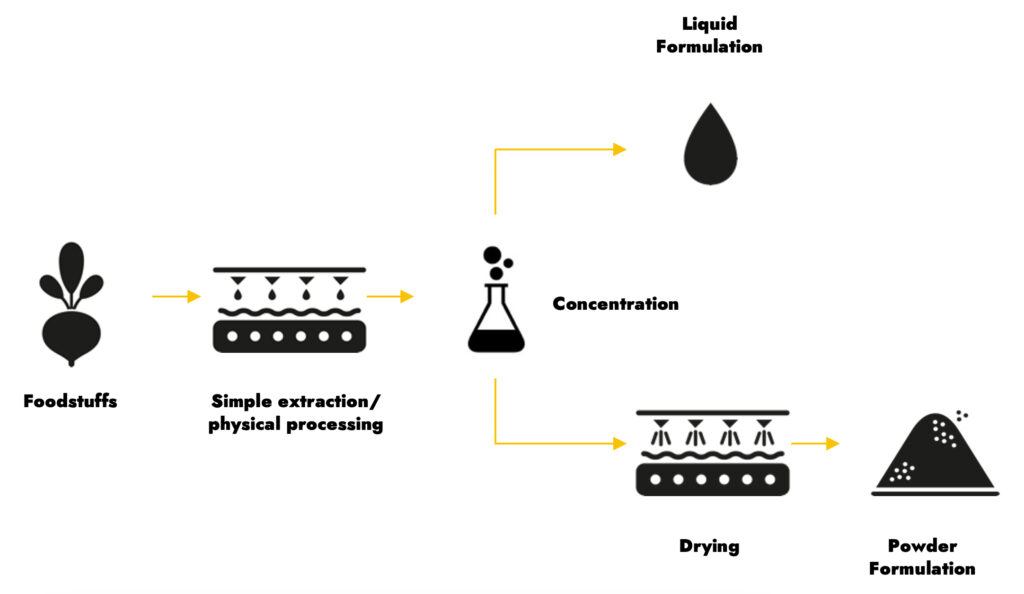
Selective extraction is when the resulting material contains primarily pigments from the natural colour source, excluding flavours or nutritive elements. European regulation (EC) No 1333/2008 states that preparations obtained from edible natural sources obtained by physical and/or chemical methods resulting in a selective extraction of the pigments are considered colour additives.
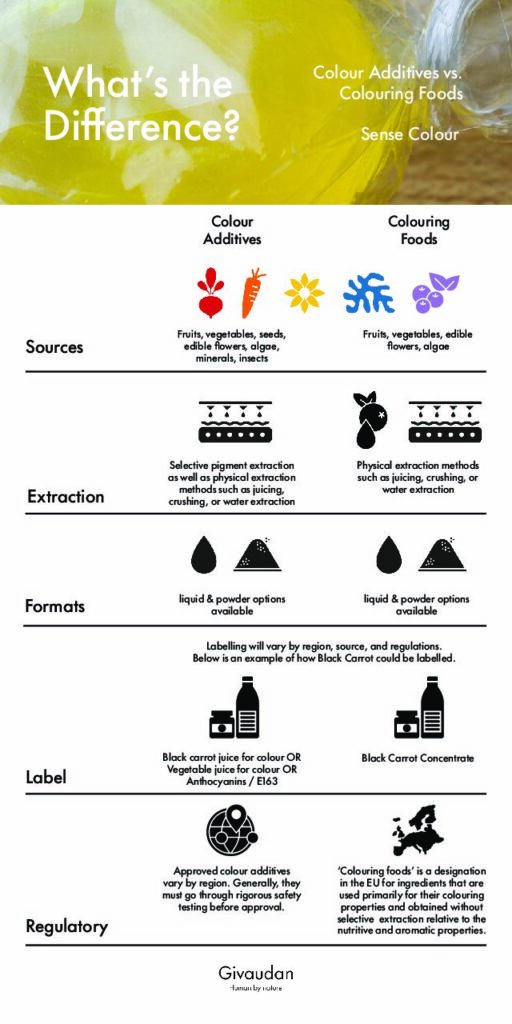
So, in order for a foodstuff to be exempted from being considered a colour additive, the ratio between the pigments and nutritional or flavoring constituents can’t be significantly different from that of the original raw material. If, for instance, we have a carrot juice and remove part of the water to make a concentrate, the ratio between the carotenes and the nutrients (sugars, minerals, etc.) needs to be very similar to that of the original matrix to be considered a colouring foodstuff. You can see the main differences between colouring foodstuffs and colour additives in the below infographic.
Functionality: How Do They Work?
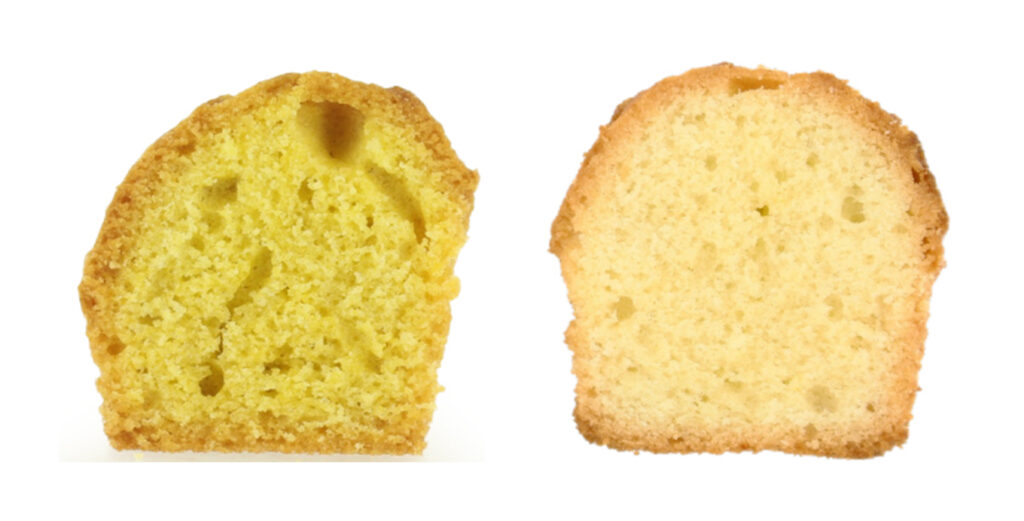
There are many instances where either a colour additive or a colouring food could be used, but there are some differences to consider. Colouring foodstuffs, in general, tend to be less colour concentrated (no selective extraction, right?), they have other sensory effects like taste and aroma, and they don’t have stabilizing additives like emulsifiers or extra antioxidants. You can see in the cupcakes below, that colours created through selective extraction tend to be more concentrated.
However, while these qualities can make some aspects of use more challenging, the results of using colouring foods can be quite satisfactory, especially where food designers and colour scientists join their expertise to co-create winning solutions.
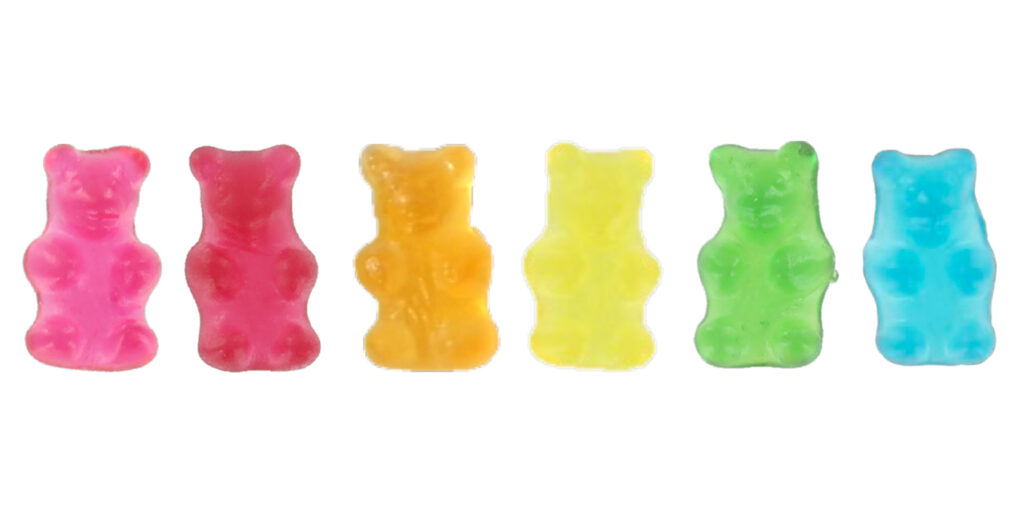
Our Vegebrite® line of colouring foods and our Everzure™ Spirulina offer a wide choice of brilliant shades made from fruit and vegetable concentrates, edible flowers, and algae: think of exciting reds or pinks, fun blues, purples or greens, happy yellows and warm oranges, like those seen in the gummies below. These coloring options have a simple label without E-numbers for consumers while still providing spectacular and authentic visual attractiveness to all sorts of foods and drinks.
Curious about our Vegebrite® or Everzure™ range of brilliant and versatile colouring foods? You can request a sample here, or you can contact for expert guidance from our team of colour scientists.
Interested in learning more about our Vegebrite® Black Carrot or Vegebrite® Orange Carrot solutions? Download the White Papers below!

Related posts

Reinventing the Palette for Sweet Goods
Going Beyond Replacement Sweet indulgent foods, like candies, bonbons, and cakes, are meant to be fun, delightful treats with no huge expectation for nutritional value or healthy properties. Consumers want sugary foods that offer delicious and memorable
Podcast: History of Colours
Past and Present of Food ColoursYou have to know the past to understand the present Speakers: Catalina Ospina, technical marketing specialist and Katie Floyd, marketing specialist. With all of the news about food colour, we dive into the history of both

Healthy Indulgence: Colourful Goodies for Gen Alpha
The colour of healthy indulgence: BFY snacks Gen alpha ate! Figuratively and literally! Their ever-growing influence on household purchasing decisions is driving the development of adventurous sweet treats and confections. Digital experiences, visual appeal,

Podcast: Visual Flavour
Visual FlavourHow Colours Enhance Snack Experiences Speakers: Catalina Ospina, technical marketing specialist; Lora Sparks, digital marketing specialist; Scott Ondracek, senior regulatory specialist (and snack guru). In this podcast episode, we try several

Colouring Healthy Snacks
The colour of healthy indulgence: BFY snacks What is snacking for you? Is it any food that is consumed between the main meals? Or something to deter hunger + boost stamina when energy is dwindling mid-afternoon? Or maybe even a treat to relax and celebrate

Snack Trends of 2025
Colorful snacking trends to watch and enjoy Snacking is a universal habit, and yet, we all snack differently according to our demography, age, and cultural context. Terms like “empty calories” or “ultra processed foods” didn’t exist in the