
The colour of healthy indulgence: BFY snacks
What is snacking for you? Is it any food that is consumed between the main meals? Or something to deter hunger + boost stamina when energy is dwindling mid-afternoon? Or maybe even a treat to relax and celebrate with friends?
Regardless of the snacking occasion, health and wellness claims are becoming more and more attractive for consumers, along with more traditional desirable attributes like sensory enjoyment, indulgence, and convenience. In this article, we’ll share how natural colors can play an integral part in the design of healthy snacks.

Guiltless indulgence and beyond
According to a global consumer survey from Innova Market Insights, 40% (out of 14100 respondents) declared that they had increased their consumption of healthy snacks during the last 12 months.
Apart from aspects like “free from”, “less than”, or voluntary nutritional or health claims, consumers are attracted by functional features like mood, cognitive performance, or digestive health improvement; Other attractive claims include things like weight management, muscle building, and increased energy and stamina.
The concept may overlap with what are traditionally considered food supplements, but here the main purpose is still snacking rather than supplementing. This is about real, satisfying, and even indulgent food; but with wellness attributes.
Colour: a universal language for mindful snacking
But over functionality, consumers of all ages prioritize sensory attributes. Snacks must be tasty, have great texture, and a tempting appearance, which often requires the use of inviting and rich colors. And what is better to signal health and wellness than natural sources of color?!
Besides providing attractiveness, and congruent flavor cues (e.g. red for red berries, yellow for pineapples), natural colors play other roles in healthy snacks’ design. They can also signal for function like vibrant oranges for muscle building!

Some botanical ingredients used in these functional snacks may impart off-tones that distort the desired look or intended flavor. Lavender extracts, for instance, typically have a yellowish-brown color.
But when you think of a relaxing lavender infused treat, you instantly picture the pastel purple color of fresh flowers. Fortunately, that color can be obtained with the use of a natural source of red like beets and a natural blue color like Everzure®spirulina, to fit with the consumer’s expectation.
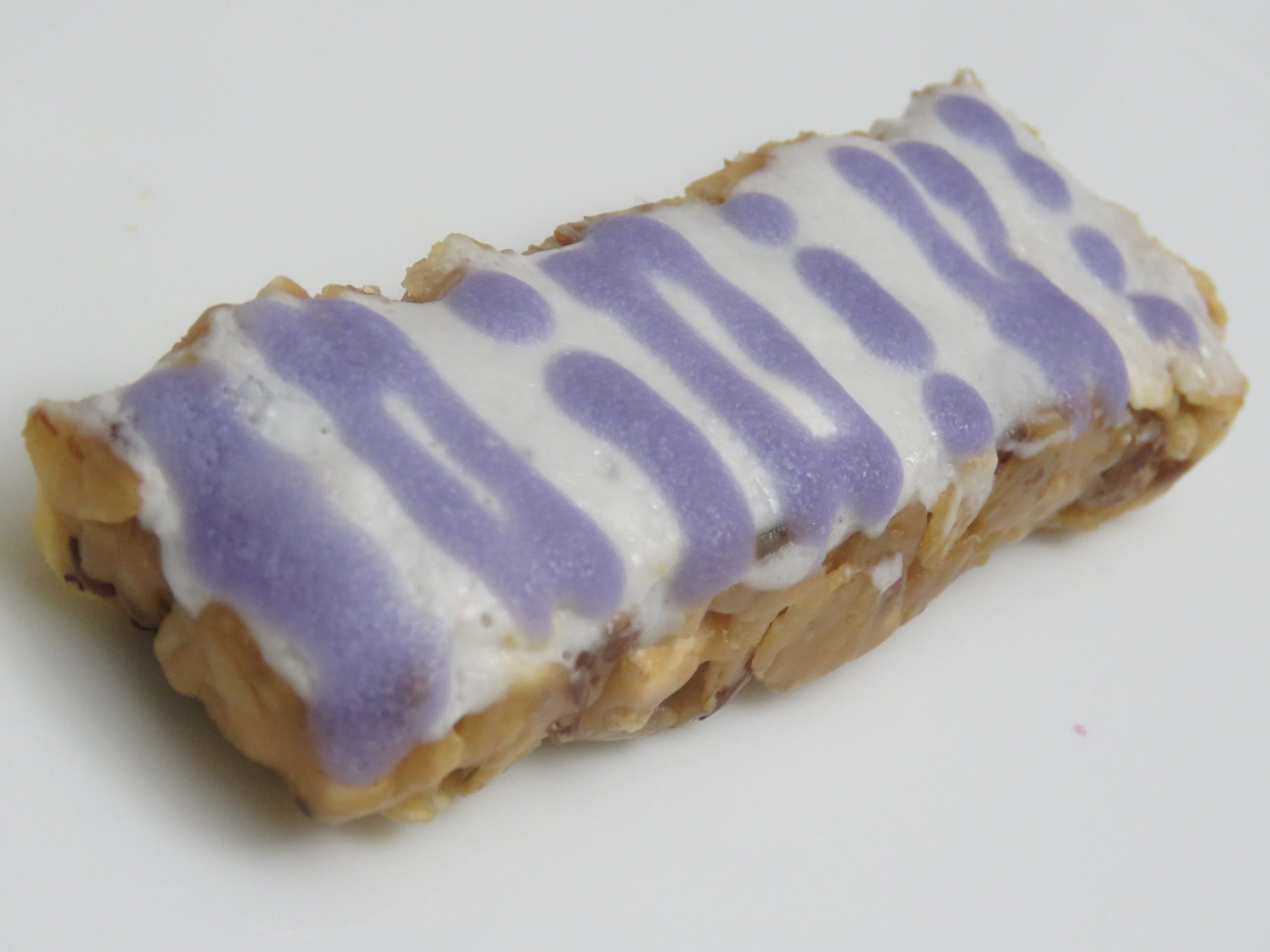
Other ingredients, like cranberry juice, may have an intrinsic color consistent with the intended sensory input. But crop seasonality and variability may cause batch to batch inconsistencies. Anthocyanin pigments from vegetable or fruit juices like our Vegebrite™ black carrot or Amaize Red, would be an excellent resource to standardize the color hue and intensity.

Natural colors can also establish identity for ingredients that don’t have a pleasant—or any—associated color. Think chamomile or guarana enriched snacks…Can you imagine their color? We could create a novel and unique sensory colors input for these, utilizing the language of natural colors to transmit emotions and concepts, like stress relief for chamomile, or stamina and energy for guarana.
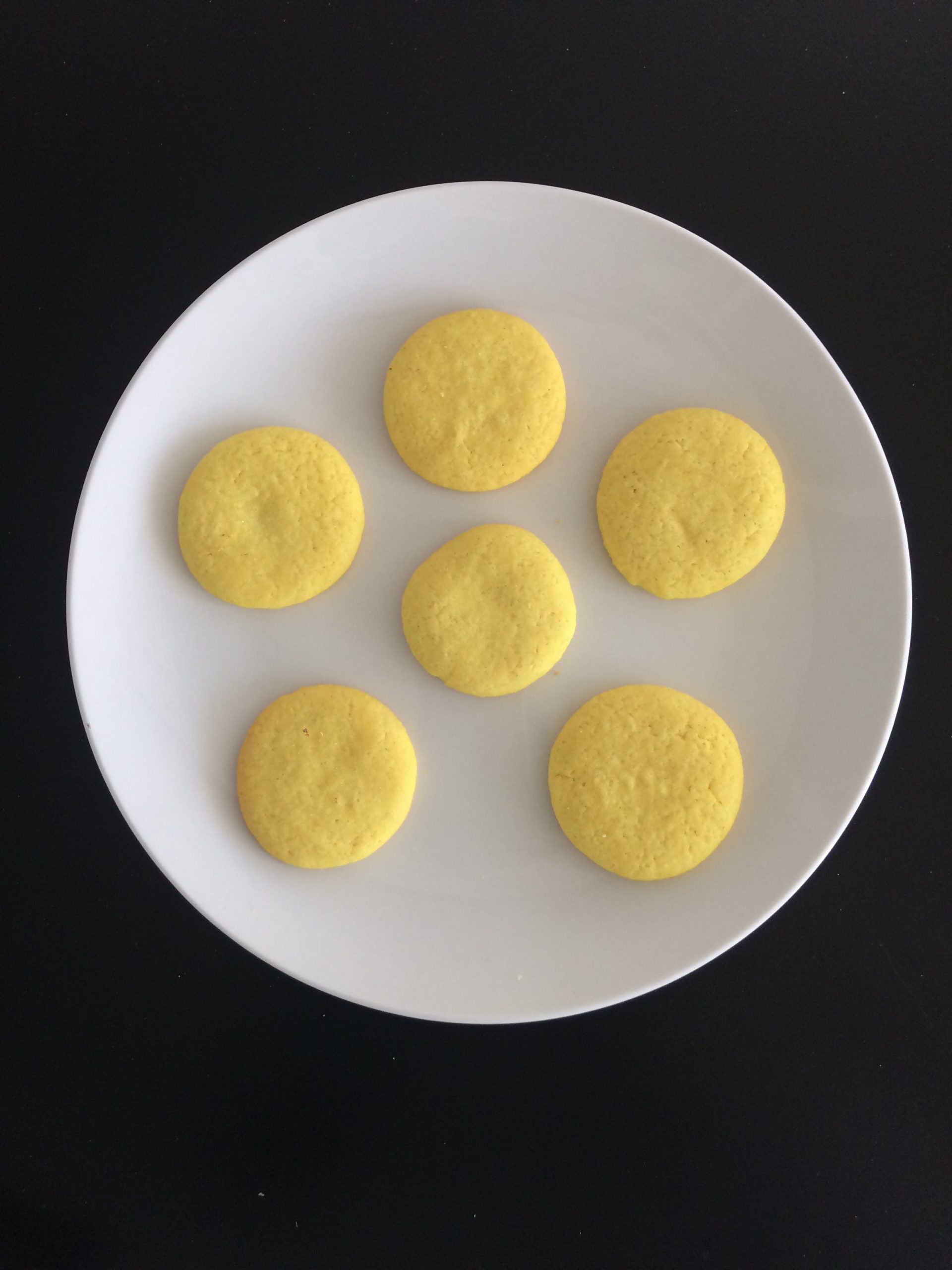
Selecting the right natural source for your functional snack with the optimal usage rate will require a minded consideration of flavor, function, matrix and processing conditions.
That is why our expert color scientists are eager to work with you, and cocreate alluring healthy snacks. Contact us to get started on a project that will elevate your consumer’s snacking experience.
Related posts
Podcast: History of Colours
Past and Present of Food ColoursYou have to know the past to understand the present Speakers: Catalina Ospina, technical marketing specialist and Katie Floyd, marketing specialist. With all of the news about food colour, we dive into the history of both

Healthy Indulgence: Colourful Goodies for Gen Alpha
The colour of healthy indulgence: BFY snacks Gen alpha ate! Figuratively and literally! Their ever-growing influence on household purchasing decisions is driving the development of adventurous sweet treats and confections. Digital experiences, visual appeal,

Podcast: Visual Flavour
Visual FlavourHow Colours Enhance Snack Experiences Speakers: Catalina Ospina, technical marketing specialist; Lora Sparks, digital marketing specialist; Scott Ondracek, senior regulatory specialist (and snack guru). In this podcast episode, we try several
Snack Trends of 2025
Colorful snacking trends to watch and enjoy Snacking is a universal habit, and yet, we all snack differently according to our demography, age, and cultural context. Terms like “empty calories” or “ultra processed foods” didn’t exist in the

Understanding ADI
Natural colours are considered food additives in the food and beverage world and are strictly regulated in terms of their identity, purity, the food categories in which they are allowed, and their usage rate. A recent example is the 2020 EFSA review of

Podcast: Sizzling Shades
Sizzling ShadesThe Role of Colors in Fire Cooking Speakers: Sara Diaz, Global Marketing Manager for Savory Taste for Givaudan, Katie Rountree, Regional Product Manager - Americas for Sense Colour, and Catalina Ospina, Technical Marketing Specialist for Sense