
Colour and Flavour Trends in Drinks
When analyzing the expanding market of energy drinks, enhanced waters, and sports drinks you’ll find that colour is no longer a mere indicator of flavour identity. There is a growing trend towards using colour to hint at a refreshing and invigorating experience, becoming a primary language for functional claims.
In this article you’ll see some of the predominant trends in flavour and colour use for the category and understand some practical tips to get the best technical performance from the refreshing palette of natural colours.
The colour of your fantasy
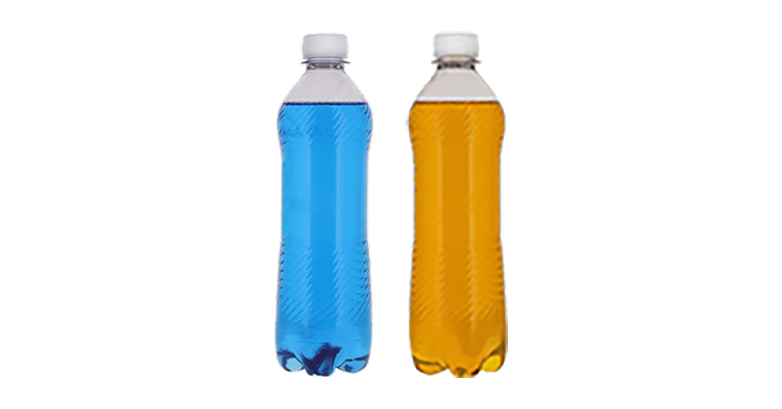
Close your eyes: you’re given a drink flavoured ‘Caribbean Breeze’. What does it taste like? Chances are it tastes like a piña colada, or perhaps an invigorating citrus-mango blend. What does it look like? Is it turquoise blue like tropical waters washing golden sands? Or is it bright yellow-orange like a warm sunset on the beach?
This is where the artistry comes in—with the increasing trend of using fantasy flavours, food and beverage colours are chosen to evoke emotions rather than simply representing the flavour used. The colour may not inform the intellect about the flavour identity but will work as an innuendo for the foreseen experience.
Conventional with a twist
Non-fantasy flavours and colours used in functional drinks are more predictable: citrus flavoured drinks that are still the default option are mostly orange or yellow. Berries and summer fruits tend to be red or pink, while orchard fruits like apple and pear drinks are often coloured light brown.
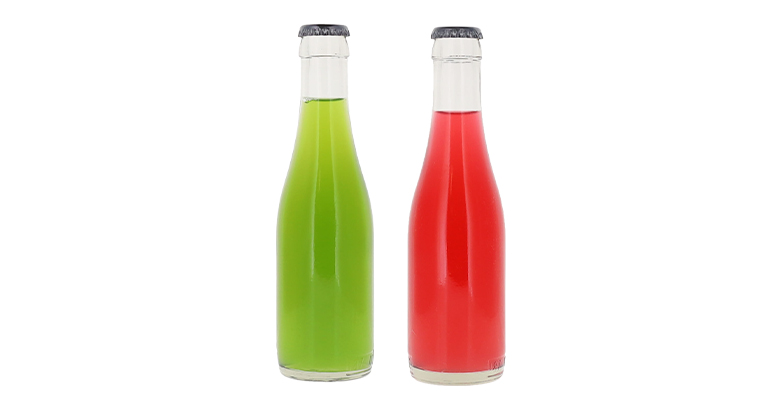
But at the same time these familiar and nostalgic flavours are increasingly mingled in novel and attractive combinations. Sometimes adjacent colours in the spectrum are selected: like in a tropical mango–passion fruit blend, but sometimes very dissimilar colours are blended, like in strawberry-kiwi mix. What would the colour of a kiwi and strawberry juice be? A very dirty brownish pink, one would think! So, again a decision has to be made on which colour to select, taking into consideration the expected sensory input, the predominant flavour and the preference of the target consumer—in the case of our strawberry-kiwi, would it be green or red?
Form follows function
In a similar stance, in sports drinks form follows function, or in this case: colour follows function. Hydration products are often coloured blue, purple or green, because these cool colours remind us of large water bodies or the freshness of nature.
On the other hand, pre-workout beverages may want to give us the idea of energy and stamina, boosting our inner power and prepping our muscles for the best performance possible. In this case bright and bold yellow, orange, and red colours may be the best option.
Flower power
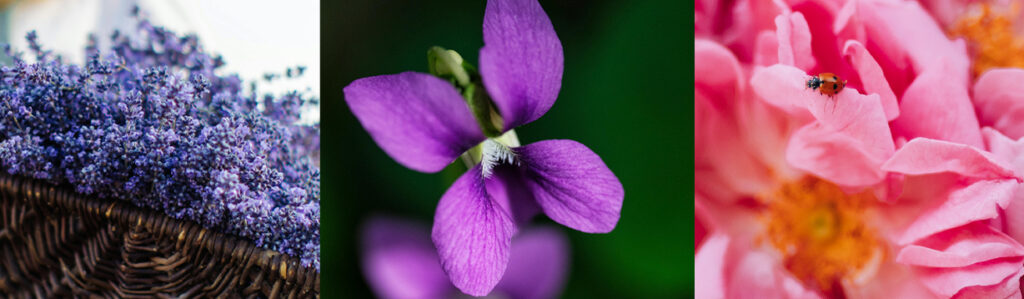
One of the fastest growing trends in new product launches is the use of botanicals like floral, herbal, and spice-based flavors in functional waters and drinks. Most of the time, these are chosen as secondary notes to more traditional fruit flavors like strawberry or lemon.
Floral flavors like lavender, violet, rose and elderflower are used because of their ties with soothing and stress reducing properties, and the palette of colours reminds us of enticing bouquets with lots of purples, pinks or peaches. “Beauty from within” drinks also leverage from botanicals and the colour range appeal their target demographics with soft, nuanced hues, that may include also greens and pastel blues.
Technically speaking
Wondering how to take advantage of the large palette of natural colours for a perfect hydration experience? Let’s review some expert tips:
Packaging
Cans and opaque packaging are often used in energy drinks and functional waters because light affects some of the botanical and nutritional ingredients used. In this case, the colours are not openly displayed but a congruency with the selected flavours or with the experience expectation is due. Light sensitive pigments, low doses and soft colours are permissible in this case, which provides a wider palette to choose from than when using transparent packaging.
However, bottles and clear packaging are still prominent in hydration beverages and other subcategories adjacent to the conventional soft drink market. Here light stability of the color chosen is a must, and shelf-life evaluations must be made to ensure colour performance.
Ingredients
Compatibility and stability of natural colours in presence of botanicals, amino acids, electrolytes and vitamins has to be assessed in a case-by-case scenario. For example: there are known interactions between natural colours and vitamin C, which enhances the stability of carotenoids but can be detrimental to anthocyanins. And the addition of botanicals like polyphenols and tannins can favor the formation of pigment complexes with completely unexpected behavior during the shelf life of the beverage. We recommend working directly with our colour experts to establish safe protocols of development to ensure the best outcome for the overall recipe.
Differentiation
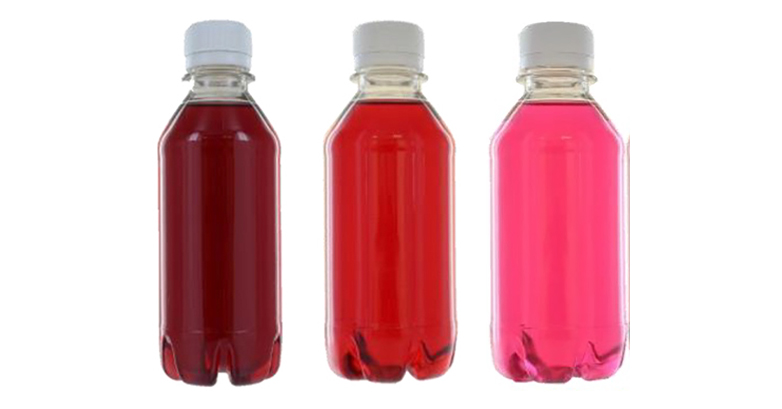
Differentiation in this market is a priority: you don’t want your strawberry-watermelon drink to look exactly the same as your competitor’s red generic drink! Fortunately, anthocyanin sources allow for both subtle or dramatic variation in both hue and intensity, be it for passionate reds or delicate pinks.
Interested in working on a functional or enhanced beverage project? Contact us to turn your thirst-quenching product into a colorful escapade. Or request a sample here.
Natural Colours for Citrus Beverages
Citrus colours: fresh and zesty
Citrus flavours stand out as timeless favorites for all sorts of foods but especially for drinks. Their tangy and refreshing profile not only enraptures taste buds but also creates a synesthetic experience that engages sight, taste, and smell, transporting us to moments that range from energy to relaxation to refreshment. Let’s take a look at how we can use natural colours for citrus beverages.
Crafting an atmosphere
To create an atmosphere that resonates with the emotionally loaded concepts that are usually linked to citrus profiles, like summer, freshness, excitement, and intensity, it’s essential to consider the visual appeal of citrus flavoured beverages.
And since visual appeal starts and ends with color design, we have to consider the actual pigments that citrus fruits produce. Oranges, mandarins, lemons, limes and grapefruits are all fruits called hesperidium (yes, like Hesperides’ garden from Greek mythology!) belonging to the same great family called Rutaceae. Their peel and pulp start out as green, with high contents of chlorophyll.
As they mature, the chlorophylls fade and they accumulate combinations of carotenoids like lutein, beta-carotene, lycopene, violoxanthin or zeaxanthin, among others. Some even produce anthocyanins, the red pigment found in berries, like the bold and delicious blood orange. Depending on the state of maturation each citrus fruit develops a particular blend of these pigments that is responsible for its distinctive colour.
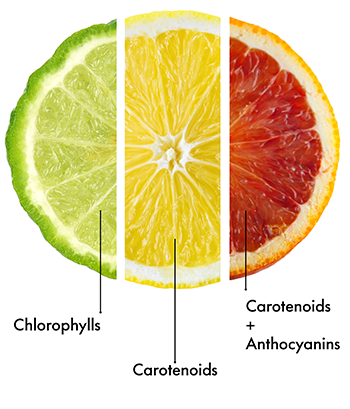
Choose from the citrus color wheel
Luckily, these pigments are also commonly used natural colours, so we can recreate the same precise visual imprint afforded by nature! Imagine capturing the vibrant green of limes by using copper chlorophyllin, or the sunny hue of lemons by using beta-carotene or safflower extract. And by utilizing blends of these same pigments, more nuanced citrus flavours are possible!
For example, the unique blend of citrus and herbal notes from Yuzu, can be replicated with emSeal® beta-carotene emulsions plus a hint of green from chlorophyllin.
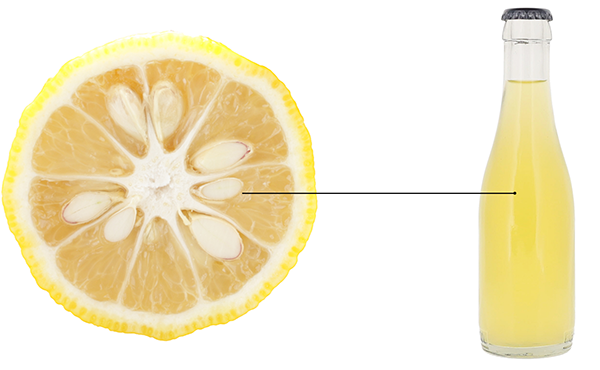
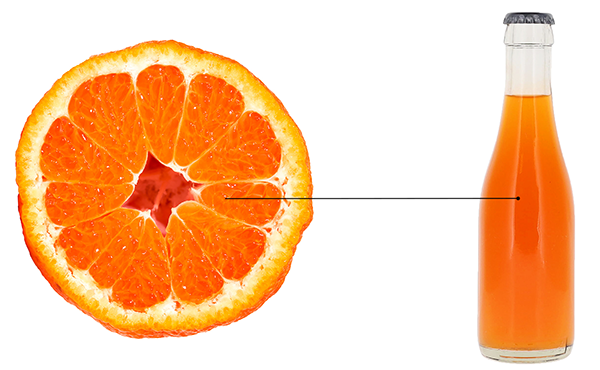
The ever-sought profile of orange juice or the fashionable profile of kumquats can be achieved with slightly orange tinted beta-carotene emulsions also from our emSeal® line, that can be designed with or without a cloudy appearance according to your liking. And the bright colours of mandarins, tangerines, or clementines can be achieved with emSeal® paprika emulsions that are deodorized to deliver all the colour without the pungency so the flavour can really shine.
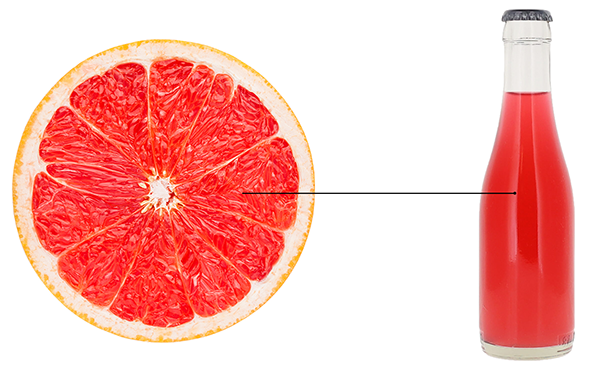
To capture the subtle pink tones of pomelos and grapefruits, either anthocyanin-based colour blends or lycopene emulsions can be employed. And finally, the same type or red anthocyanins can be employed to get the right shade of blood orange, hinting to that unique berry-like flavour of this trendy citrus variety.
Elevating citrus profiles with fruit blends
Citrus flavours on their own will always appeal to the consumer with their sweet and tangy charm. But innovative and delightful fusions with other fruits and herbs are also making a stand in the world of soft drinks and RTD beverages: raspberry lemonade, blueberry limeade or bold pairings like ginger and grapefruit…you name it! You can explore these expansions for flavourful profiles with an ever increasing range of our natural colour blends, all with unparalleled functionality and processing stability.
Treat your consumers with a captivating drinking experience that starts at first sight with vibrant natural colours that promise a taste adventure with every sip!
Looking for more information on how to create these refreshing colour inspirations? Download our Citrus Colour Palette below to see how we blended natural colours to match the wide variety citrusy shades. Or contact us to get started on a project.
Podcast: Beverage Bliss
Beverage Bliss
Enhancing the sensory experience with natural colours
Speakers: Diego Campos, Marketing Manager Regional Innovation in Europe and Jaime Pacheco, Sales Manager for Sense Colour
Join us as we explore several themes shaping the beverages market and the pivotal role that natural colours play in enhancing the sensory experience. From “Feel Good” beverages that bring comfort and positivity to “Does Good” offerings focused on health and sustainability, as well as the future-oriented “Imagine” theme, we’ll delve into how natural colours are being used to create vibrant and enticing drinks. You’ll also discover how the metaverse and AI are set to revolutionise the future of beverages, promising exciting co-creation experiences that engage consumers.
Thirsty for more content? You can listen to our other podcast episodes here.
Top 5 Considerations for Natural Colours in Beverages
With so many natural colors available, choosing the perfect one for your beverage application can feel overwhelming. Whether you’re developing an RTD, dry-mix, or alcoholic beverage, there are some important factors to consider when selecting your natural color. We’ve broken down the top 5 considerations when coloring beverages to make your color selection process as smooth as possible.
1. Ingredient Interactions
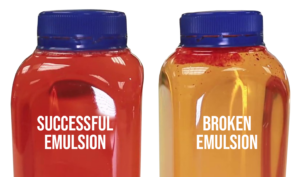
Today’s consumers seek functional beverages that may contain additional ingredients like flavors, botanicals, vitamins, and minerals. These ingredients have the potential to interact with natural colors, causing some to precipitate or destabilize. For example, colors like beta-carotene contain emulsifiers which keep them miscible in the water phase of beverages. Natural clouds may also contain emulsification systems. If the emulsifiers are not compatible, the color or cloud emulsion may destabilize. A broken emulsion is often characterized by a ring of color appearing at the top of the beverage.
Another area of consideration is the addition of ascorbic acid to some beverages, like enhanced waters. If anthocyanins are used to color these kinds of beverages, the ascorbic acid will cause fading of the color over time. On the other hand, the addition of ascorbic acid to a beverage containing a carotenoid, like beta-carotene, will actually improve the color stability.
2. Regulatory
Knowing the countries or regions of final beverage sale during the product development stage helps streamline the regulatory review of proposed colors for use in beverages. Countries may have different legal requirements or limitations for which colors may be used. For example, safflower is permitted in the EU for beverages, but not in the US. Sodium copper chlorophyllin is permitted in the US for dry mix citrus beverages, but not for ready-to-drink (RTD) beverages. Apocarotenal is permitted in beverages, but it cannot exceed 15 milligrams per pint of liquid.
Along with knowing the regulatory requirements, it is also important to know how each color will affect the finished product label. Although carmine may provide a nice red hue for a berry flavored beverage, it does not qualify for vegan or kosher status. In this case, you could blend anthocyanins to obtain a red color from fruit and vegetable juices to allow for these claims.
3. Processing Time & Temperature
Processing time and temperature vary widely depending on the type of beverage and can also have an impact on which natural colors you choose. Plant or dairy-based beverages that are shelf stable require UHT pasteurization. These high processing temperatures will cause fading for some natural colors. Colors like emSeal® beta-carotene and turmeric, paprika, annatto, and caramel color are more heat stable. Although red beet color may deliver an enticing raspberry colored beverage, red beet will not withstand the UHT process. Natural colors are mostly robust to HTST processing for drinks like enhanced waters, isotonics, and energy drinks, but benefit from rapid cooling after heat processing.
4. Base Color & pH
As the demand for plant-based beverages increases, new challenges develop for using natural colors. Many plant-based milks, like oat and almond, are a beige to off-white color. Adding natural colors to a beige background can shift the hue of the natural color to an unintended appearance.
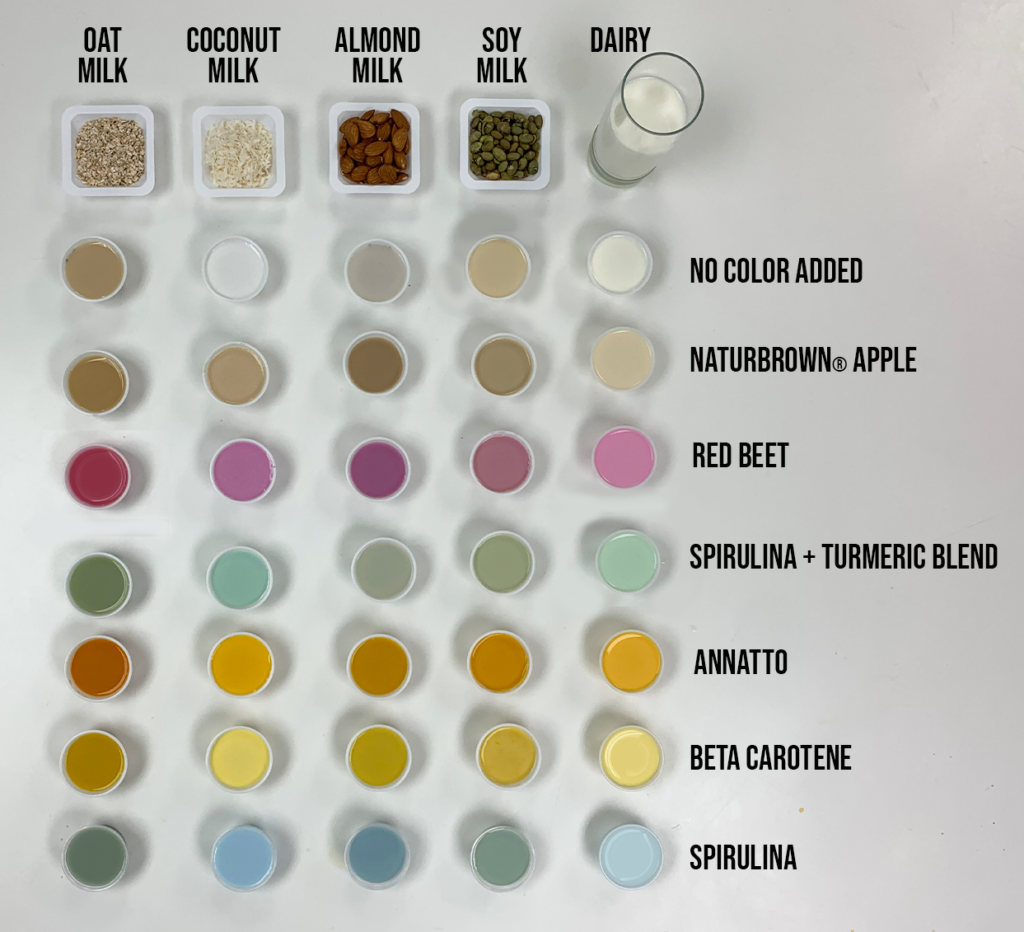
Sometimes a tinted base color works well with the natural color you’re using. For example, if you were creating a caramel macchiato flavored oat milk, adding a class I caramel color will complement the brownness of oat milk enhancing the perception of the desired flavor. Clear, colorless beverages allow beverage designers the flexibility to incorporate natural colors without interference from the original base color. However, the addition of certain vitamins may tint a clear base. For example, riboflavin could tint the base yellow making it difficult to overcome when designing a mixed berry RTD colored with anthocyanins like purple carrot or Amaize® Red, a non-GM purple corn color.
Also, be sure to consider the beverage’s pH when selecting a natural color. The higher pH of plant-based milks favors the use of colors like turmeric, annatto, and emSeal® beta-carotene and paprika whose appearance does not depend on pH. Colors like anthocyanins from fruit and vegetable juices may look like an interesting purple/blue color at higher pH, but they will fade due to poor stability at pH above 4.5.
5. Packaging, Storage, & Shelf Life
It’s important to consider packaging, storage conditions, and shelf life when choosing a natural color for your beverage. To improve the shelf life, consider using opaque packaging that may protect the product from light to minimize color changes or fading. Some natural colors, such as turmeric and spirulina will fade when exposed to light for an extended period of time, so opaque packaging is the best choice to prevent fading. The light stability of beta-carotene can be enhanced by adding ascorbic acid. To prolong the stability of your beverage it’s best to store the finished product in a cool warehouse.
Choosing the right natural color for your beverage application has its obstacles, but finding the perfect one is so refreshing! Need some help deciding? Contact us with your questions or Request a Sample to get started on your next project.
Podcast: Rooted in Science
Rooted in Science
How Givaudan’s agronomists develop natural colouring solutions from carrots
Speakers: Nicolas Jegouic, Head of Agronomy and Fanny Fourcade, Agronomist
In this first episode of our new Colour Journey, Givaudan’s agronomists take you to one of our pilot farms in Aix-en-Provence, France. You’ll discover how Givaudan’s agronomy expertise transforms carrots into a brilliant orange coloring food.
Thirsty for more content? You can listen to our other podcast episodes here.
Podcast: Colour as an attractor
Podcast: Colour as an Attractor
Why is colour so important in food experiences?
Speakers: Leslie Lannebere, Global Marketing Manager for Health & Nutrition and Sense, and Basak Oker, Head of Consumer Sensory Insights Europe
In this episode, you’ll learn why colour is so important to create memorable food experiences. Join us as as we take you through our latest market insights to discover what’s behind our clean-label, high-performance natural colour solutions.
Thirsty for more content? You can listen to our other podcast episodes here.