
Podcast: History of Colours
Past and Present of Food Colours
You have to know the past to understand the present
Speakers: Catalina Ospina, technical marketing specialist and Katie Floyd, marketing specialist.
With all of the news about food colour, we dive into the history of both synthetic and naturally sourced pigments. We chat about the origins of synthetics, how colouring foods is interwoven in human history, and we touch on specific pigments we use today, such as carmine and spirulina.
Hungry for more knowledge? You can listen to our other podcast episodes here.
Healthy Indulgence: Colourful Goodies for Gen Alpha
The colour of healthy indulgence: BFY snacks
Gen alpha ate! Figuratively and literally! Their ever-growing influence on household purchasing decisions is driving the development of adventurous sweet treats and confections.
Digital experiences, visual appeal, interactive elements and bold flavors, are some of the factors that inspire treat cravings for this demographic.

But beyond hype, this generation is becoming increasingly health-conscious, in alignment with the influence of their Gen X and Millennial parents. What is the role that colors, and especially natural colors, play in the creation of rizz candies? In this article, we’ll look at how natural colors contribute to the health halo of these goodies and provide solutions to some challenges that can arise when designing better for you treats.
Sweet but fit
Candies and sweet goods are generally not the standard vehicle for functionality, but sugar reduction can be highlighted as one way to capture the interest of both kids and parents.

Since low water activity and high sugar content are protective factors for the light and heat stability of many natural pigments, care must be taken when creating naturally colored low or no-sugar treats.
Heat stable options like Caramel colours, annatto, carmine, and vegetable carbon black are straightforward solutions to achieve vibrancy in heat processed candies – both regular and low sugar. But other colors can also be used successfully.
Carotenoids like emSeal® Beta-carotene and Paprika emulsions are stable in confections like gummies, chews and hard candies, and that stability is improved with the addition of ascorbic acid to boost the action of the antioxidants used in the color formula.
Even heat sensitive colors like Everzure® spirulina and galdieria extracts can be used in low sugar confections if the color is added while the temperature is descending and if the cooling stage is strictly controlled. Non-caloric sweeteners like some polyols, can lower water activity, which also curbs degradative reactions.
Signaling for goodness
Other wellness traits that parents seek in BFY treats for young consumers are transparency, sustainable sourcing, and naturalness. Resorting to color options that are ‘derived from fruit and vegetable juices’ provides a health halo to such treats, because they bring up cognitive signals for balanced nutrition.
Vegebrite® juice concentrates are color options from fruits and vegetables that fit the bill perfectly. They include a variety of anthocyanin sources like black carrot, elderberry, and grape – which enjoy consumer recognition as “those famous beneficial substances” that make purple and red foods so good for everyone.
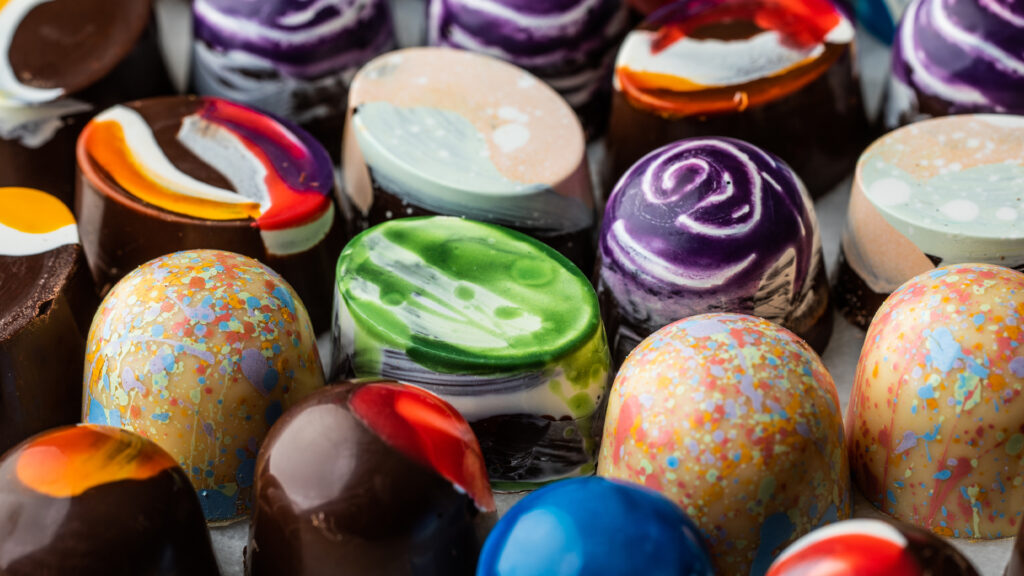
Picture a dark chocolate filled with a rich berry flavored fondant, colored with black carrot juice.

Indulgent bites, vibrant shades, and flavor congruency are tangled with concepts like wholesomeness and wellness. Natural colors are the perfect tools to help deliver a well rounded and exciting consumption experience for better for you confections that kids love, and parents embrace.


Contact us to learn more to get started with an ample portfolio of natural colors for confectionery.
Podcast: Visual Flavour
Visual Flavour
How Colours Enhance Snack Experiences
Speakers: Catalina Ospina, technical marketing specialist; Lora Sparks, digital marketing specialist; Scott Ondracek, senior regulatory specialist (and snack guru).
In this podcast episode, we try several snacks around the world and see how colours can enhance the eating experience. We describe what we see and taste; and we match our sensory experience with trends identified through Givaudan’s Flavourvision, our latest trend research tool.
We catagorize our snacking experience into four categories: Green for Me, Restorative Care, Stable Connections, and Sensorial Renaissance.

Still hungry? You can listen to our other podcast episodes here.
Colouring Healthy Snacks
The colour of healthy indulgence: BFY snacks
What is snacking for you? Is it any food that is consumed between the main meals? Or something to deter hunger + boost stamina when energy is dwindling mid-afternoon? Or maybe even a treat to relax and celebrate with friends?
Regardless of the snacking occasion, health and wellness claims are becoming more and more attractive for consumers, along with more traditional desirable attributes like sensory enjoyment, indulgence, and convenience. In this article, we’ll share how natural colors can play an integral part in the design of healthy snacks.

Guiltless indulgence and beyond
According to a global consumer survey from Innova Market Insights, 40% (out of 14100 respondents) declared that they had increased their consumption of healthy snacks during the last 12 months.
Apart from aspects like “free from”, “less than”, or voluntary nutritional or health claims, consumers are attracted by functional features like mood, cognitive performance, or digestive health improvement; Other attractive claims include things like weight management, muscle building, and increased energy and stamina.
The concept may overlap with what are traditionally considered food supplements, but here the main purpose is still snacking rather than supplementing. This is about real, satisfying, and even indulgent food; but with wellness attributes.
Colour: a universal language for mindful snacking
But over functionality, consumers of all ages prioritize sensory attributes. Snacks must be tasty, have great texture, and a tempting appearance, which often requires the use of inviting and rich colors. And what is better to signal health and wellness than natural sources of color?!
Besides providing attractiveness, and congruent flavor cues (e.g. red for red berries, yellow for pineapples), natural colors play other roles in healthy snacks’ design. They can also signal for function like vibrant oranges for muscle building!

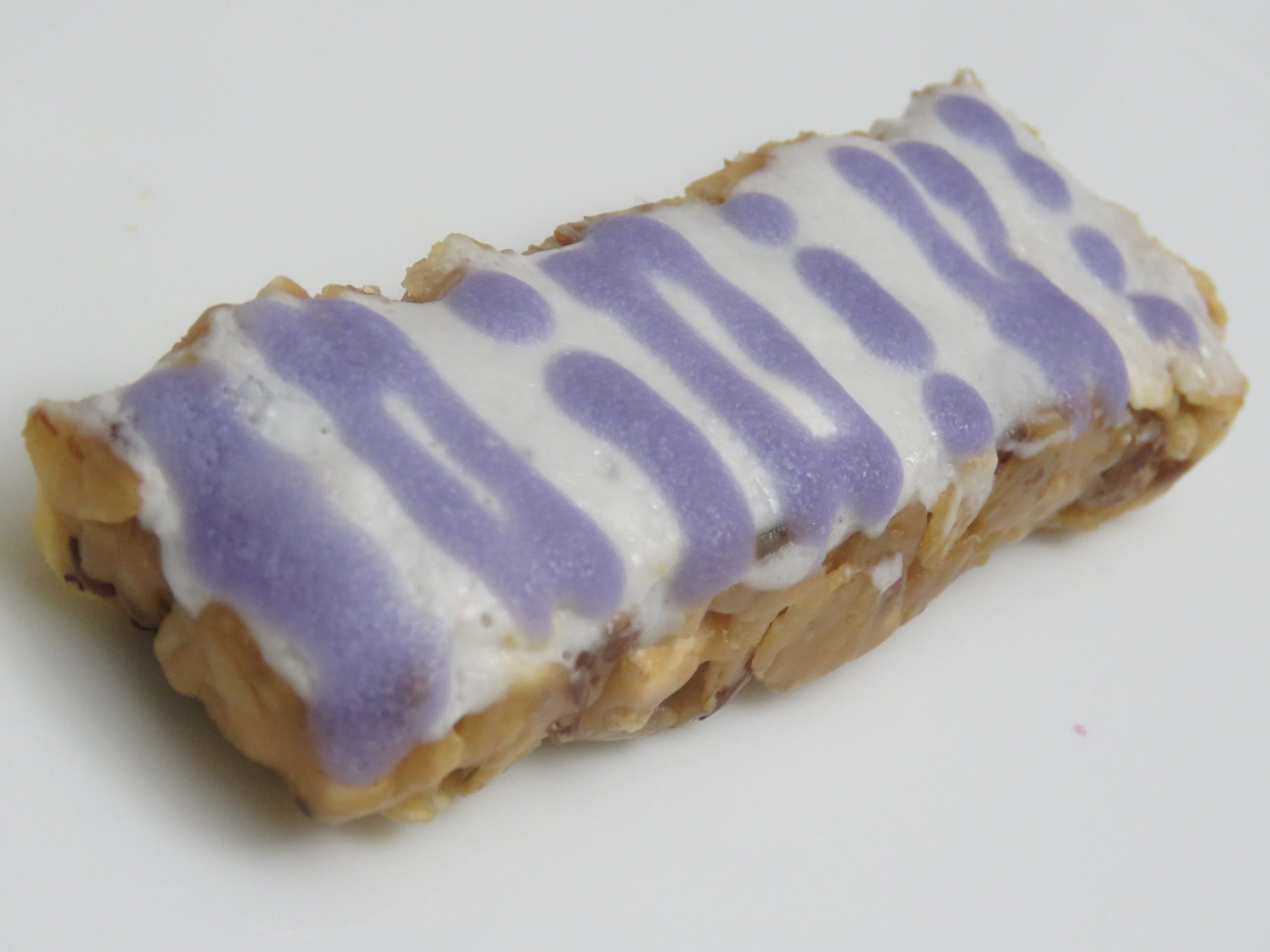
Some botanical ingredients used in these functional snacks may impart off-tones that distort the desired look or intended flavor. Lavender extracts, for instance, typically have a yellowish-brown color.
But when you think of a relaxing lavender infused treat, you instantly picture the pastel purple color of fresh flowers. Fortunately, that color can be obtained with the use of a natural source of red like beets and a natural blue color like Everzure®spirulina, to fit with the consumer’s expectation.
Other ingredients, like cranberry juice, may have an intrinsic color consistent with the intended sensory input. But crop seasonality and variability may cause batch to batch inconsistencies. Anthocyanin pigments from vegetable or fruit juices like our Vegebrite™ black carrot or Amaize Red, would be an excellent resource to standardize the color hue and intensity.

Natural colors can also establish identity for ingredients that don’t have a pleasant—or any—associated color. Think chamomile or guarana enriched snacks…Can you imagine their color? We could create a novel and unique sensory colors input for these, utilizing the language of natural colors to transmit emotions and concepts, like stress relief for chamomile, or stamina and energy for guarana.
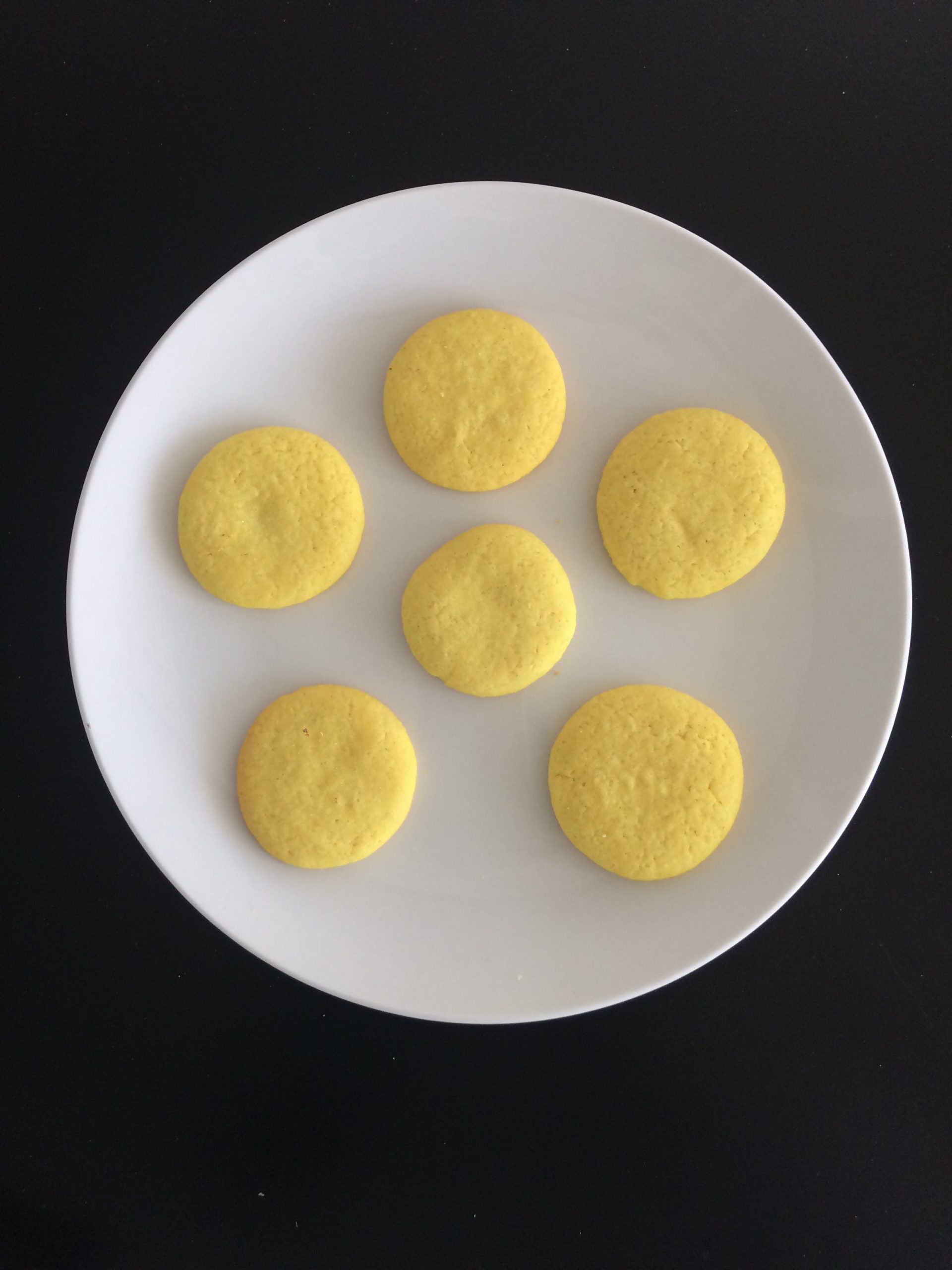
Selecting the right natural source for your functional snack with the optimal usage rate will require a minded consideration of flavor, function, matrix and processing conditions.
That is why our expert color scientists are eager to work with you, and cocreate alluring healthy snacks. Contact us to get started on a project that will elevate your consumer’s snacking experience.
Snack Trends of 2025
Colorful snacking trends to watch and enjoy
Snacking is a universal habit, and yet, we all snack differently according to our demography, age, and cultural context. Terms like “empty calories” or “ultra processed foods” didn’t exist in the mainstream, but many people were of the opinion that snacks were just “not real food”.
Nowadays snacks offer a contrasting mixture of a feel-good escapism, mindful nutrition, and sensory enjoyment, where health, aesthetics and indulgence can meet and have civilized conversations. In this article we will have a panoramic view of how some snacking trends are catering to the tastes and consumption occasions of consumers of all generations, and how color plays an important role in communicating the targeted value of snacks.

Bold and Colorful
Younger consumers, like Gen Alpha, are driven by playfulness and fun. Although their consumption still mostly depends on what their parents choose, their preferences revolve around stimulant visual inputs and interactive features. Digital media and popular cultural characters are common inspirations for color design in snacks aimed at this generation.
Add to that Gen Z, driven also by social media, digitalization, AI, and gaming, where eye-catching colors, and maximalist intensities, transmit a sense of trepidation, excitement and even humor. Bold, primary colors, contrasting color patterns, or surprising features like color changing foods, or the use of fluorescent pigments are some of the attractors used for this demographic.
Also widespread, are congruent reds, yellows, and oranges which are an innuendo for one of the trendiest waves: complex tastes, which includes scwicy (sweet and spicy), tangy-spicy, and sweet and savory. And the fun continues, with creative and daring combinations of different store-bought products, for a “Do Your Own Snack” experimental adventure, to show, share, and enjoy.
Health fueled snacks
With the lines continuing to blur between traditional snacks and main meals, the frequency of snacking is increasing among both young and mature adults, demanding fulfillment of their daily nutritional and functional needs. Protein supercharged snacks are transversal among the generations that seek muscle building or preservation, and satiety.
Fiber also plays a role in hunger stilling, as well as in gut health support, along with prebiotic and probiotic ingredients, going in line with the increased prescription of GLP-1 agonist drugs. As Gen X navigates the physiological changes of aging, they are interested in snacks that preserve their wellbeing. Baby Boomers may also recur to snacking for health and wellness purposes, prioritizing foods that are low in salt and sugar, yet indulgent.
Millennials and Gen Z also want to support their demanding commitments with friends, study, work and family, with nutrients and energy rich snacks. Health-laced snacks tend to display either earthy tones reflecting wholesomeness and naturalness (like brown, warm yellows, sepia or greens), or vibrant and energy loaded colors that communicate stamina, like bold pinks and reds, or fluorescent yellows and greens
So pretty, I want to eat it!
We know that social media platforms are segmented by age. Gen Z and Millennials are the main users of image-rich apps, like TikTok and Instagram.
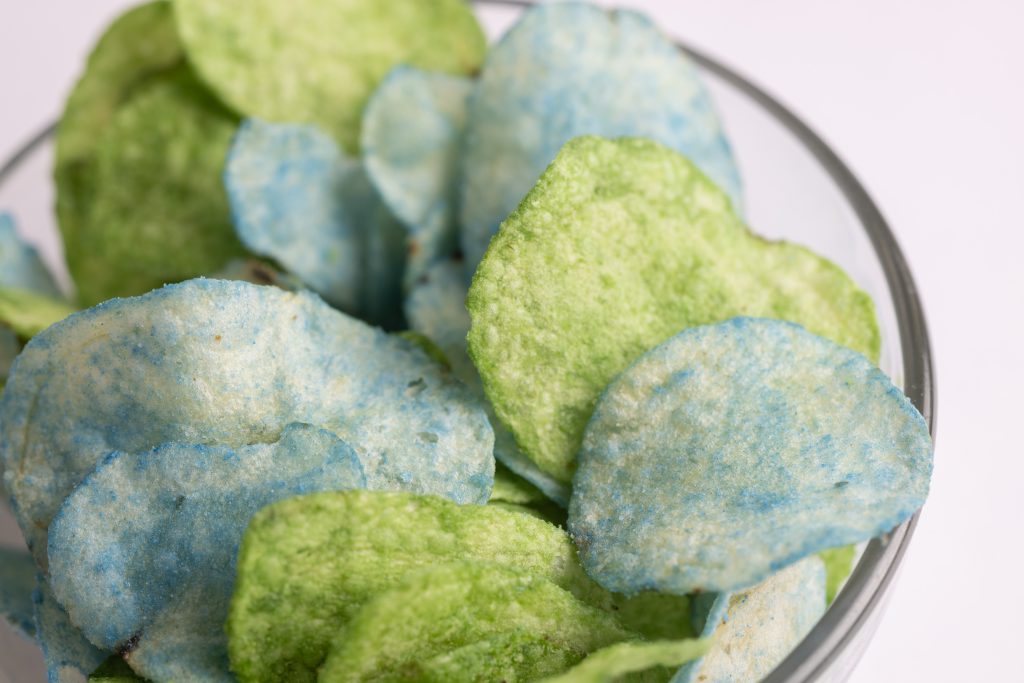
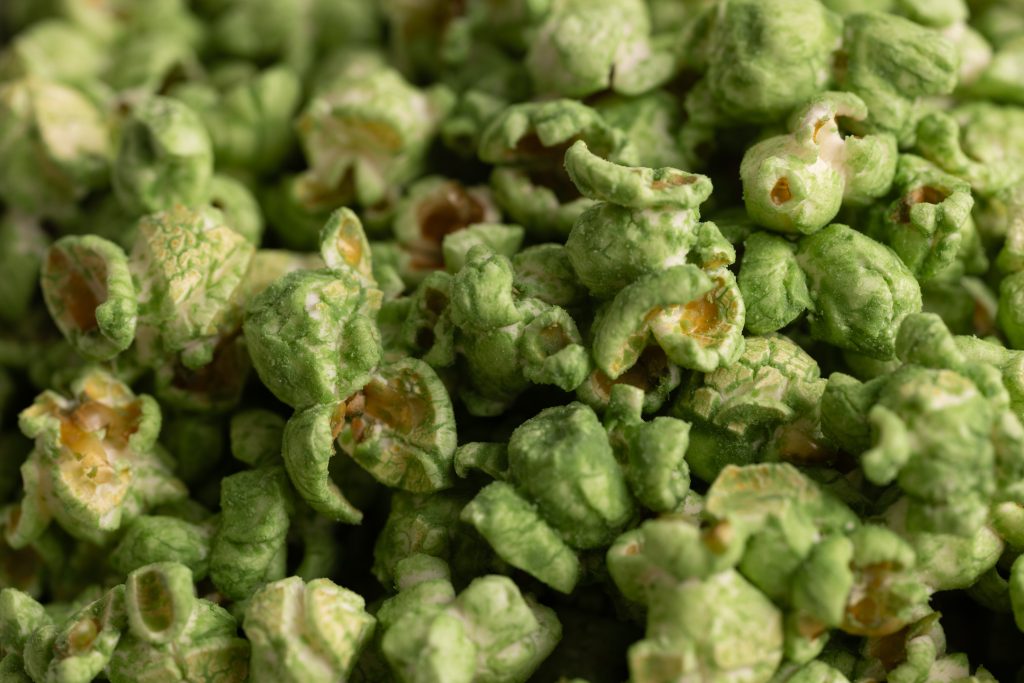
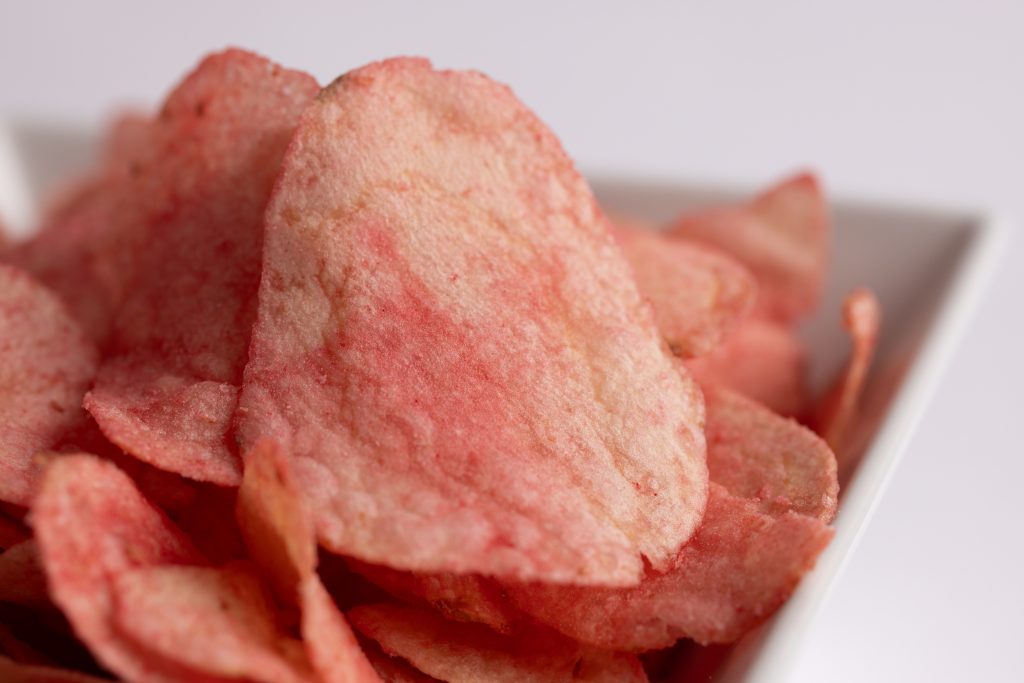
Sensory stimulation navigates in consonance with pastel tones, sophisticated and even artistic palettes, with elevated photographic value. Pink, peach, purple, blue and green, but also subdued neutral colors like beige, are associated with sophisticated indulgence and aesthetic delight. Snacks are both for enjoying, and for showing off.



Meal or a snack?
We already mentioned that snacks with increased nutritional value are being used as meal replacements. But there’s something else…nowadays more and more snacks taste like authentic meals!
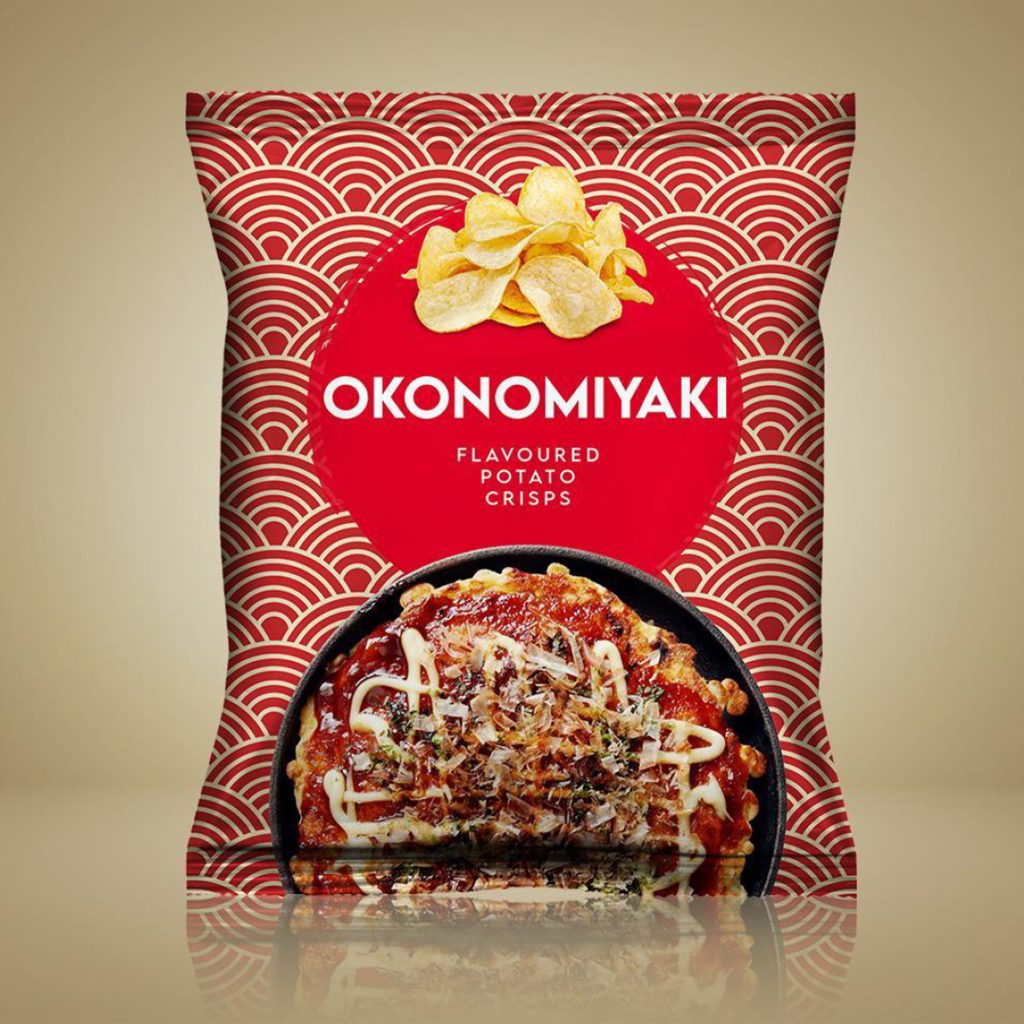
Be it familiar or exotic flavors, based on local tradition, or inspired by international cuisines and street foods, check any grocery and you’ll find the same old chips, peanuts, and puffs, but with a hearty and delicious flavor twist: street tacos, Thai tom yum, wagyu steak, meaty chorizo, bunny chow, Korean Smoked Galbi, coconut milk and peanut satay, Bolognese, honey roasted chicken wings, spicy ramen, beer chicken…these meal-flavored snacks are both satisfying and convenient, hinting savory profiles with colors like ocher, warm brown, or terracotta.


Wrapping it up... like a to-go snack!
The quality and value perception of snacks has shifted with time and is also different for each age, gender and social group. Convenience, indulgence, nutritional benefits, and social connectivity can be identified as deep catalysts for snacking behaviors. Related to all these primary motivation forces, we encounter the semiotic visual input and sensory stimulation of color, that sets the table for the holistic enjoyment of snacks!
If you want to learn how to best reflect the value of your snack products with the use of natural colors, contact our commercial and technical teams!
Understanding ADI
Natural colours are considered food additives in the food and beverage world and are strictly regulated in terms of their identity, purity, the food categories in which they are allowed, and their usage rate. A recent example is the 2020 EFSA review of permitted max limits for Annatto across various food categories. It was also linked to the safety evaluation of the different types of annatto and their definition in the EU regulation of Annatto Bixin E160b(i) and Annatto Norbixin E160b(ii).
But how did they come to this decision? How are the uses and usage rates defined, and above all, how can we know that a food additive is safe for human consumption?
The answer is the ADI, or Acceptable Daily Intake, and its continuous monitoring versus dietary exposure to the additive. In this article we’ll show you how it’s calculated and how that applies to natural colours.

What is ADI?
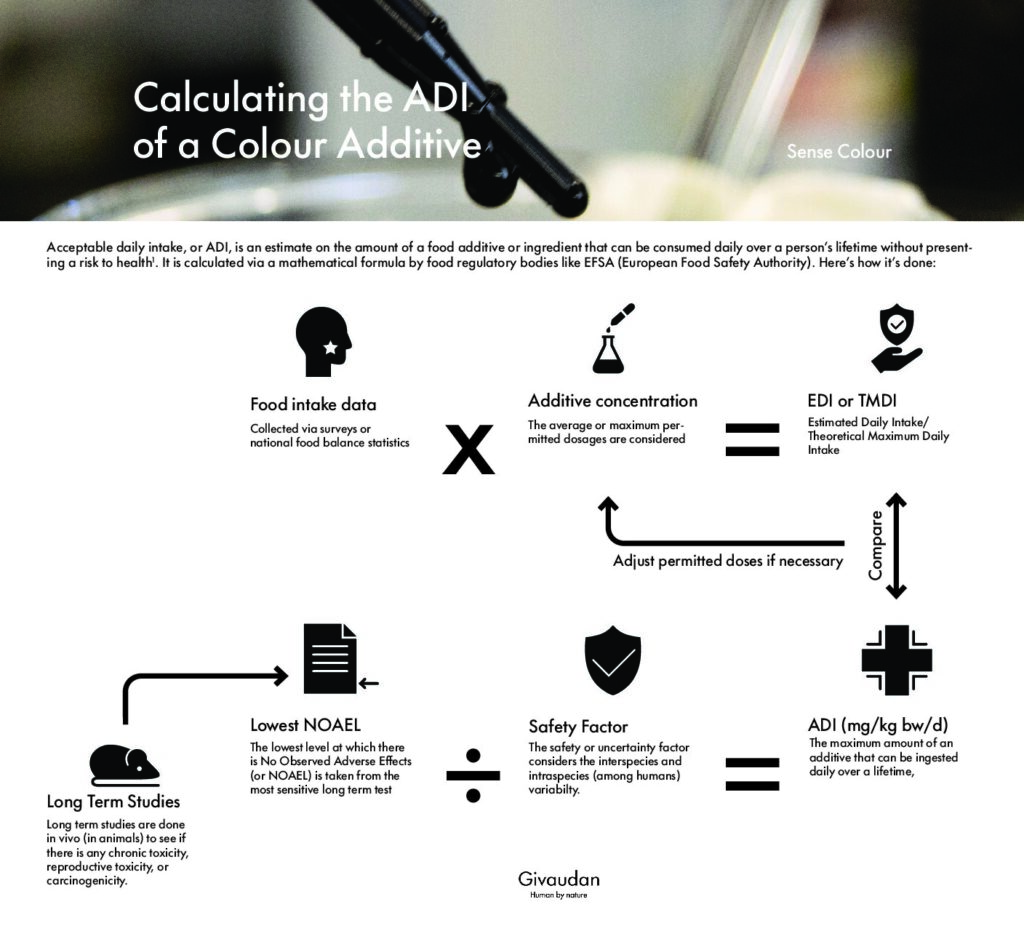
ADI is the estimation of the amount of an additive that can be ingested daily throughout a human’s lifetime without presenting an appreciable risk to health. It’s used as a reference for consumer protection and to harmonize regulatory controls, facilitating international food trade and is expressed in mg/kg body weight per day.
The Starting Point
So how is it calculated? The risk assessment of any chemical substance, including natural colour additives, begins by considering all existing scientific evidence on how the substance behaves in biological systems. Currently, the most reliable and commonly used way to gather safety information on new food additives is through in vivo tests on animal models, although other methods are being developed for future use.
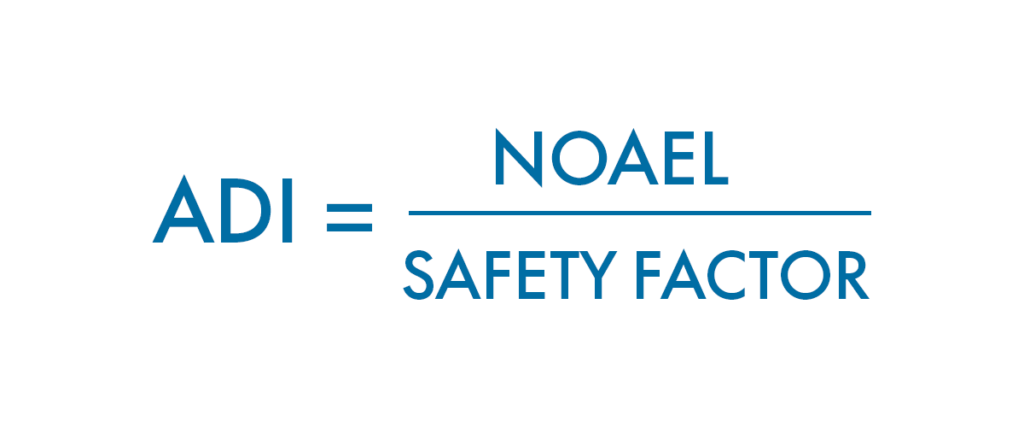
These tests involve administering incremental doses of the additive orally to selected animals, allowing for the determination of a safe starting point or reference. The NOAEL (No Observed Adverse Effect Level) is typically used as that starting point, representing the highest dose of the additive that does not cause significant adverse effects compared to a control. The most sensitive species is chosen to determine the NOAEL*.
Uncertainty Factor
To extrapolate the results of animal studies to humans, and to consider the large variability in responses among individuals (e.g., children, the elderly, immunodeficient individuals), a safety or uncertainty factor is chosen. In many cases, this safety factor is 100, but it can vary depending on the availability and quality of the data obtained from in vivo tests. This safety factor divides the NOAEL to obtain the ADI:
Real Intake and Exposure
The ADI is then compared to the actual intake of the additive. This is done using estimates of average or maximum consumption of food groups containing the additive for the population or a subgroup of interest (e.g., children).
This information is collected using consumption surveys or food balance statistics. This estimate is then multiplied by the industry recommended usage rates or the current allowance. If the estimated intake is higher than the ADI for any subgroup of the population, regulatory authorities modify the permitted usage rates for the most impacting food categories.
Is NOAEL the best reference point?
The use of NOAEL as a starting point for determining the ADI has been questioned in recent years. This is because the robustness of the NOAEL depends on factors such as experimental design, dose range selection, and statistical power.
As an alternative, the concept of Benchmark Dose (BMD) has been proposed. The BMD is the concentration of the additive that produces a predetermined change in the adverse effect response (benchmark response or BMR, which is usually set at 5% (or 10%). Mathematical modeling is used to consider the dose dependency of observed effects, resulting in a confidence interval rather than a singular value. The lower limit (BMDL : Benchmark Dose Lower bound) of the confidence interval is taken as the new reference value, which is then divided by the uncertainty factor to calculate ADI.
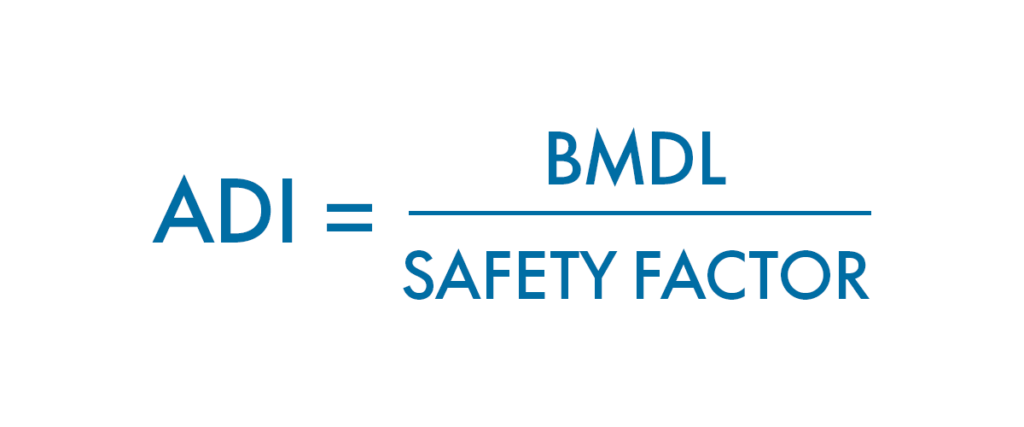
BMDL may be slightly higher or slightly lower than NOAEL, depending on the actual experimental data, but is considered a more accurate, evidence based reference point. Although not widely used yet, BMD may become more common in ADI assessment in the future.
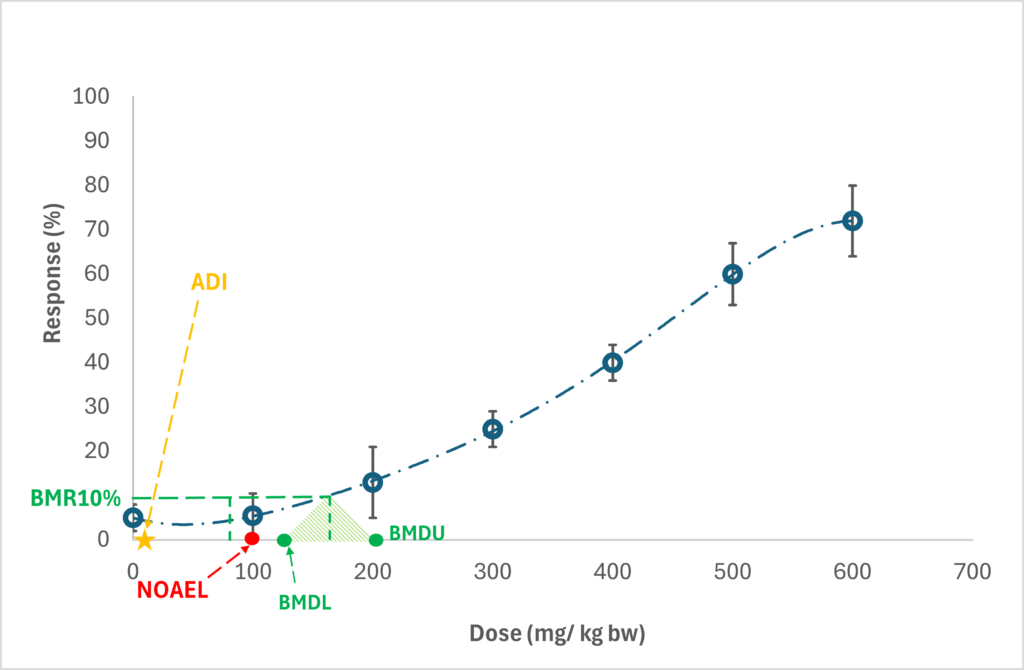
As you can see, ADI is by far a sufficiently conservative estimate of the safe levels of intake of a food additive.
Natural colour additives are carefully assessed and monitored by expert scientific committees that advise regulatory agencies all over the world to guarantee consumer protection and guide their safe and fair technological use.
*It is important to note that Givaudan Sense Colour does not conduct animal testing unless requested by a regulatory authority.
Podcast: Sizzling Shades
Sizzling Shades
The Role of Colors in Fire Cooking
Speakers: Sara Diaz, Global Marketing Manager for Savory Taste for Givaudan, Katie Rountree, Regional Product Manager – Americas for Sense Colour, and Catalina Ospina, Technical Marketing Specialist for Sense Colour
Learn how Givaudan Sense Colour is innovating culinary experiences by harnessing the transformative power of fire in cooking. We’ll explore the significance of colour in fire and grill products and how it influences perception. Listen in as we discuss the range of hues selected for our “fire palette” and how they’re inspiring new fiery creations.
Hungry for s’more content? You can listen to our other podcast episodes here.
Shelf Life of Natural Colours
Looking at Shelf Life:
Just like any food or food ingredient, colour additives and colouring foodstuffs have a duration window within which they meet their functional specification and remain safe for use.
Quality and safety are two very different aspects that intertwined define the shelf-life of the colour. In this article, we’ll help you take you through the factors that contribute to the shelf-life of a natural colour so you can take the best advantage of their shining performance.
The Storing Conditions are Fundamental
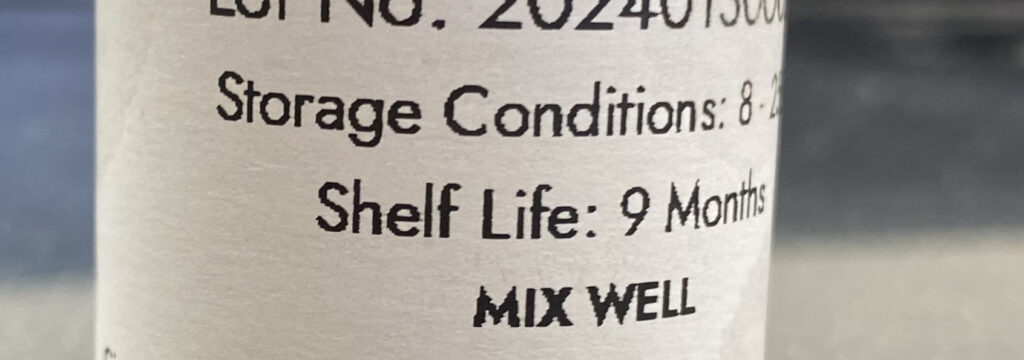
The first thing you should know is that the shelf life is defined for a specific storage condition. It applies to unopened packaging units that have been shipped and stored under the recommended parameters of temperature and other environmental factors expressed in the technical data sheet.
Some of these additional requirements may include keeping the product away from humid settings, strong lights (like the sunlight) and harsh odors. These conditions are typically listed on the outside of the packaging or sample and on the Technical Data Sheet (TDS).
Opening the Package, Opening the Door to Degradation
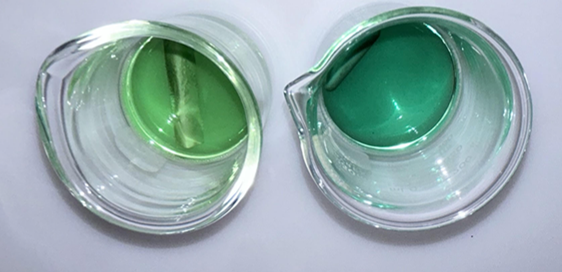
After a packaging unit is opened, the chemical reactions that lead to colour degradation may occur at a faster rate because the colour gets exposed to light, oxygen, and external manipulation through foreign objects like stirring devices, pump inlet piping or any other measuring recipients used to dose the colour.
How does a natural colour degrade?
The first thing that can change during degradation is colour strength. The same chemical structures in molecules that absorb preferential wavelengths of light and that are responsible for the colours we see: conjugated double bonds, ring systems, coordination complexes, etc., are prone to be attacked by chemical and physical factors like UV radiation, heat, water (hydrolysis), and other substances in the system.

If pigments degrade in living cells by exposure to natural elements (like chlorophyll fading in autumn leaves) pigments that have been extracted from their storing and protective structures are even more fragile. We formulate our colours to optimize stability with strategies like reduced water activity, addition of antioxidants or encapsulation, but at faster or slower rates depending on the nature of the colours the degradation kinetics will take their course and show as a decreasing colour intensity.
As an exception, caramel colours continuously increase their colour intensity, because the caramelization reaction actually never stops, but this also leads to an undesirable increase in viscosity, which makes it difficult to dose and handle.
Other aspects of the colour formulation can also be affected with the passing of time. Oily carriers or co-additives may oxidize causing rancidity and its sensory consequences, and generating free radicals that can increase the rate of degradation of sensible pigments.
If the colours are formulated as emulsions, their stability may be disrupted causing creaming, flocculation, coalescence or Ostwald Ripening. Hygroscopic powders may slowly absorb water from the air (unless with completely airtight packages) causing agglomeration and clumping.
And last but not least, as with most food ingredients, colour additives and specialty colouring foodstuffs have nutrients that may promote microbiological growth.
Proper preventive measures are carried out during product development and manufacturing to reduce to reasonable limits the chances of pathogenic and nonpathogenic microorganisms’ contamination and growth, but while many colour formulations are shelf stable, some others are fermentable and thus have shorter shelf lives and have more stringent requirements for storage and transportation conditions.
So, how do we decide the shelf life of a colour?
Depending on the colour, a typical shelf life is usually between 6 months to 2 years. So how do we determine its useful life?
Aside from considering all the necessary information about the color composition, and deciding the type of packaging and storage conditions, we perform durability studies at lab scale. We do this either through real time testing or with accelerated stability tests based on the previous knowledge and historical data for similar formulation systems.
The takeaway
Natural color companies go to great lengths to design functional, beautiful and safe colours, and make sure to run strict stability testing to determine their durability. We also consider extrinsic aspects like the most appropriate packaging to protect the product, as well as the most adequate temperature and environmental conditions to preserve functionality and suitability for food use.
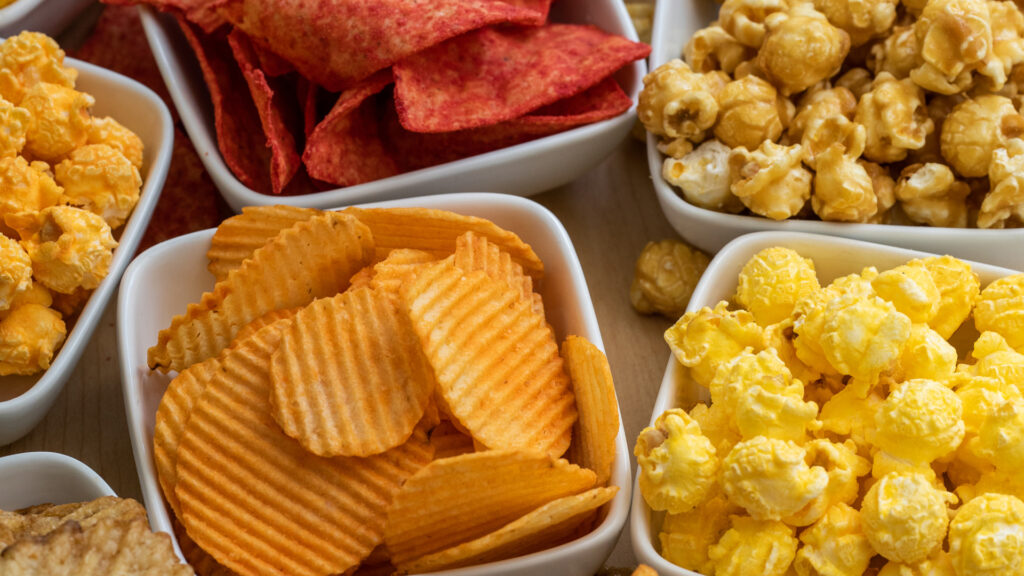
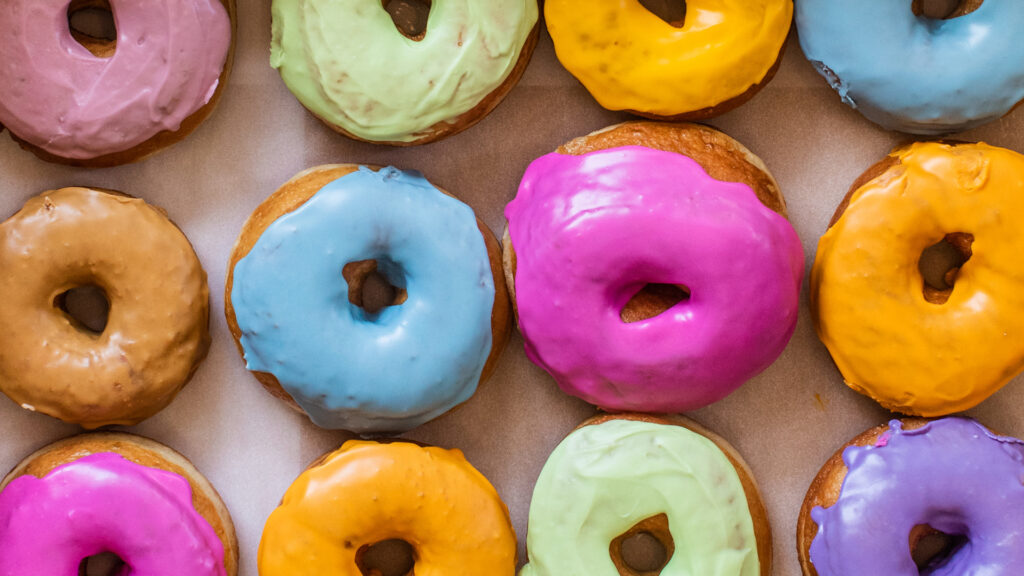
Technical data sheets included with your colours as well as package labeling will help you find important informational tools about shelf life and storage conditions, so you can plan your demand according to your usage rates and storage space- and especially to get the best results from your valuable natural colours.
If you have any questions about our quality and safety assurance policies, contact us, we’re happy to help.
Colour and Flavour Trends in Drinks
When analyzing the expanding market of energy drinks, enhanced waters, and sports drinks you’ll find that colour is no longer a mere indicator of flavour identity. There is a growing trend towards using colour to hint at a refreshing and invigorating experience, becoming a primary language for functional claims.
In this article you’ll see some of the predominant trends in flavour and colour use for the category and understand some practical tips to get the best technical performance from the refreshing palette of natural colours.
The colour of your fantasy
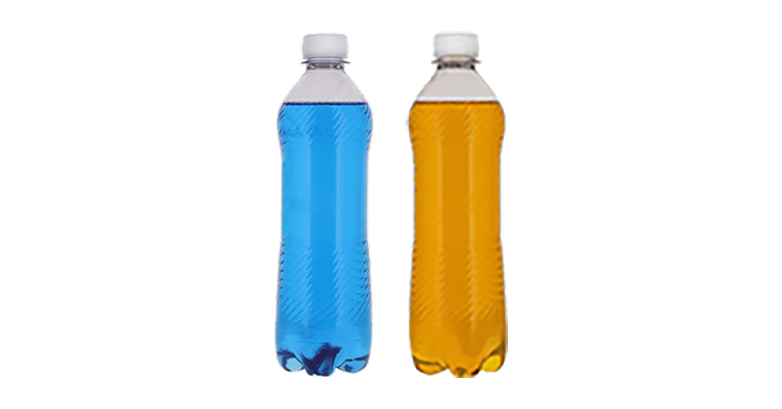
Close your eyes: you’re given a drink flavoured ‘Caribbean Breeze’. What does it taste like? Chances are it tastes like a piña colada, or perhaps an invigorating citrus-mango blend. What does it look like? Is it turquoise blue like tropical waters washing golden sands? Or is it bright yellow-orange like a warm sunset on the beach?
This is where the artistry comes in—with the increasing trend of using fantasy flavours, food and beverage colours are chosen to evoke emotions rather than simply representing the flavour used. The colour may not inform the intellect about the flavour identity but will work as an innuendo for the foreseen experience.
Conventional with a twist
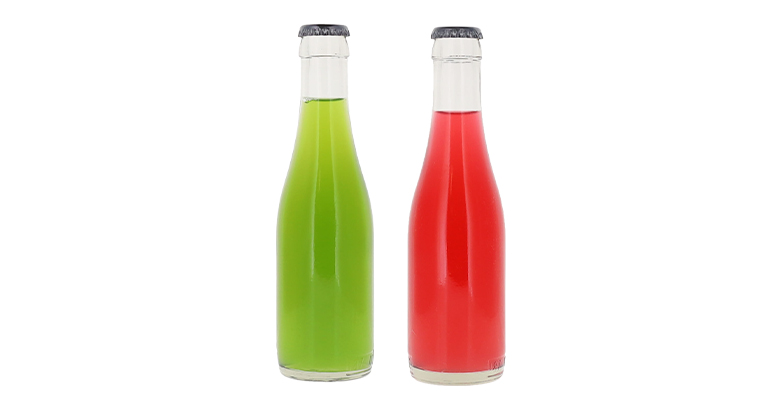
Non-fantasy flavours and colours used in functional drinks are more predictable: citrus flavoured drinks that are still the default option are mostly orange or yellow. Berries and summer fruits tend to be red or pink, while orchard fruits like apple and pear drinks are often coloured light brown.
But at the same time these familiar and nostalgic flavours are increasingly mingled in novel and attractive combinations. Sometimes adjacent colours in the spectrum are selected: like in a tropical mango–passion fruit blend, but sometimes very dissimilar colours are blended, like in strawberry-kiwi mix. What would the colour of a kiwi and strawberry juice be? A very dirty brownish pink, one would think! So, again a decision has to be made on which colour to select, taking into consideration the expected sensory input, the predominant flavour and the preference of the target consumer—in the case of our strawberry-kiwi, would it be green or red?
Form follows function
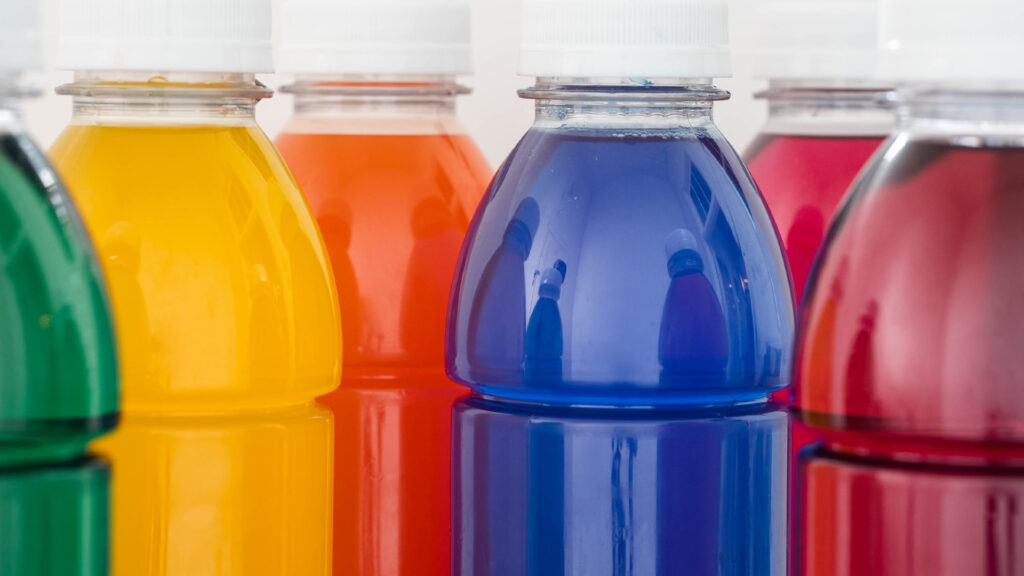
In a similar stance, in sports drinks form follows function, or in this case: colour follows function. Hydration products are often coloured blue, purple or green, because these cool colours remind us of large water bodies or the freshness of nature.
On the other hand, pre-workout beverages may want to give us the idea of energy and stamina, boosting our inner power and prepping our muscles for the best performance possible. In this case bright and bold yellow, orange, and red colours may be the best option.
Flower power
One of the fastest growing trends in new product launches is the use of botanicals like floral, herbal, and spice-based flavors in functional waters and drinks. Most of the time, these are chosen as secondary notes to more traditional fruit flavors like strawberry or lemon.
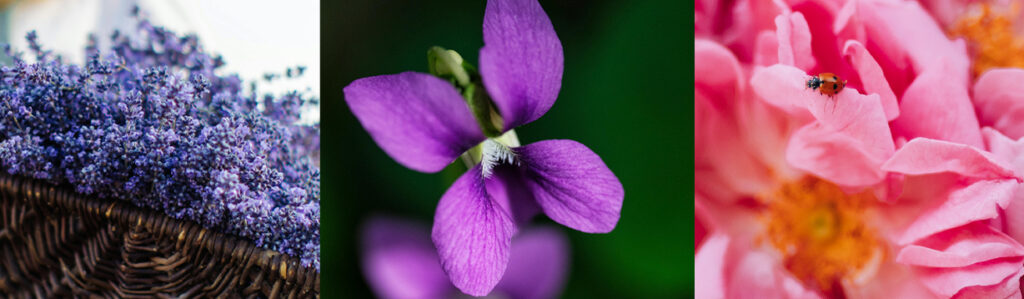
Floral flavors like lavender, violet, rose and elderflower are used because of their ties with soothing and stress reducing properties, and the palette of colours reminds us of enticing bouquets with lots of purples, pinks or peaches. “Beauty from within” drinks also leverage from botanicals and the colour range appeal their target demographics with soft, nuanced hues, that may include also greens and pastel blues.
Technically speaking
Wondering how to take advantage of the large palette of natural colours for a perfect hydration experience? Let’s review some expert tips:
Packaging
Cans and opaque packaging are often used in energy drinks and functional waters because light affects some of the botanical and nutritional ingredients used. In this case, the colours are not openly displayed but a congruency with the selected flavours or with the experience expectation is due. Light sensitive pigments, low doses and soft colours are permissible in this case, which provides a wider palette to choose from than when using transparent packaging.
However, bottles and clear packaging are still prominent in hydration beverages and other subcategories adjacent to the conventional soft drink market. Here light stability of the color chosen is a must, and shelf-life evaluations must be made to ensure colour performance.
Ingredients
Compatibility and stability of natural colours in presence of botanicals, amino acids, electrolytes and vitamins has to be assessed in a case-by-case scenario. For example: there are known interactions between natural colours and vitamin C, which enhances the stability of carotenoids but can be detrimental to anthocyanins. And the addition of botanicals like polyphenols and tannins can favor the formation of pigment complexes with completely unexpected behavior during the shelf life of the beverage. We recommend working directly with our colour experts to establish safe protocols of development to ensure the best outcome for the overall recipe.
Differentiation
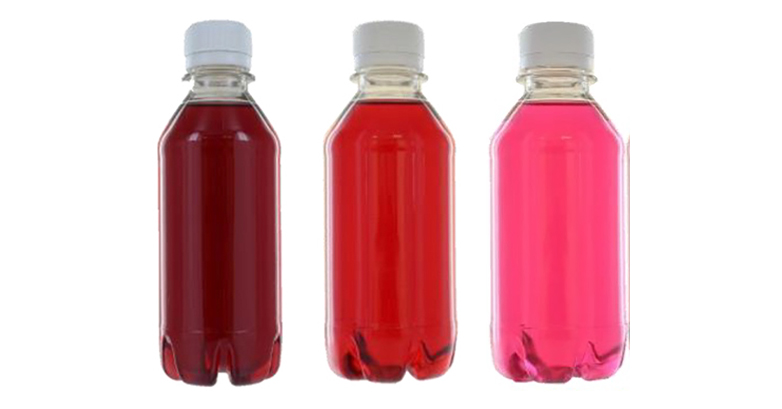
Differentiation in this market is a priority: you don’t want your strawberry-watermelon drink to look exactly the same as your competitor’s red generic drink! Fortunately, anthocyanin sources allow for both subtle or dramatic variation in both hue and intensity, be it for passionate reds or delicate pinks.
Interested in working on a functional or enhanced beverage project? Contact us to turn your thirst-quenching product into a colorful escapade. Or request a sample here.