
Carmine: Strengths, Limitations & Alternatives
Magenta is a vibrant and daring colour that can be achieved by using cochineal dye (also known as carmine). But accompanying the mention of cochineal are often images of iridescent beetles. And while these jewel-like beetles are certainly beautiful, they can be misleading to the source and nature of the actual pigment. In this article, we’ll dive into what cochineal is, the history of use, and its strengths and limitations as a natural colour in the food and beverage industry, as well as some common alternatives.
What is cochineal?
Cochineal dye is the common name of a pigment obtained from the female insect Dactylopius coccus. This is a sap insect that lives on the surface of plants and only feeds from sap – hence the name. They usually look like a cottony fluff over the green plant surface. Beetles, on the other hand, are a different species entirely – and can be recognized by their outer hard wing cases and a hard upper body.
The chemical name of the pigment that is extracted from the cochineal insect is called carminic acid – it is an anthraquinone, one of the many natural pigments found in plants and animals and is part of the defense system of the insect – a vibrant deterrent that helps to protect it from ants, its natural predators.
A long history of use
The use of this pigment is ancient – cochineal is native to the Americas and known by many pre-Columbian cultures like the Mayas, Aztecs, and Incas (learn more about the history here). There is evidence of its use in textiles as early as 2000 BCE. The processed form of the pigment, carmine, was exported to Europe during the renaissance and commercialized at astronomical prices, replacing another insect derived red pigment called Crimson. Carmine was used in paintings by famous artists like Tintoretto, Vermeer, Rembrandt, and Velazquez.
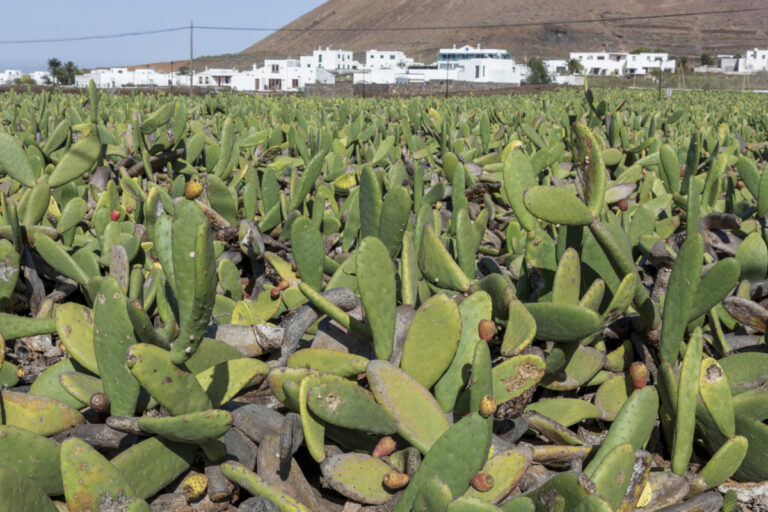
To obtain the colour carmine, the insects are “farmed” on the surface of nopales, or cactuses – seen in the below image – where they grow feeding exclusively from sap. Once the females are mature, they are harvested and the dye is extracted using hot water. It is further processed to purify, isolate, and formulate it for its diverse uses: as a solid lake, or as a water-soluble dye. The industrial use of these colours has helped to develop sustainable productive models for indigenous people in South and Mesoamerica and to fight desertification by promoting the cultivation of the cacti in drylands.
Carmine in the Food & Beverage Industry
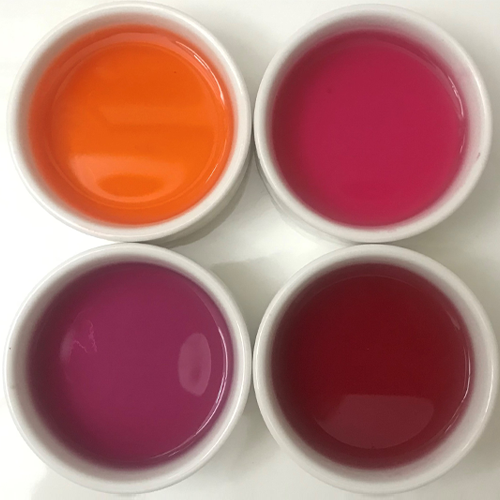
Depending on the method of formulation, carmine can deliver colours like bright orange, red, purple, and of course our beloved magenta hue, which can be seen in the below image. It is one of the most stable natural colours, withstanding intense heat treatments like UHT pasteurization and baking, as well as light exposure. Because it is such a stable, vibrant colour, its use is extensive – ranging from foods, drinks, cosmetics, and pharmaceutical preparations.
Despite its brilliant performance and beauty, however, it does have its limitations. Because if its animal source, it is not apt for vegan or vegetarian diets, nor is it considered Kosher. And, as with a few other natural colours, it has dosage rate restrictions based on the application and the regulatory framework in certain regions.
Alternatives to Carmine
Fortunately, Mother Nature has been generous to provide other sources of magenta colours that can be applied successfully in all sorts of food applications, depending on the matrix, pH, and processing conditions. The two main alternatives to carmine are:
Betacyanins
Betacyanins are extracted from beet roots. They work well for applications such as dry mixes for desserts like mousses & flans, protein drinks, fruit flavored beverages, and generally in low water activity foods, but care should be taken when using it applications that are exposed to intense heat, like baked goods, as it can brown or fade.
Anthocyanins
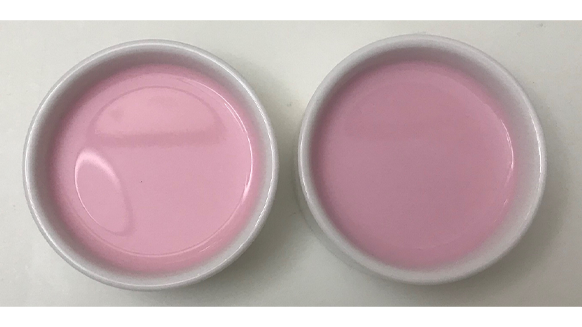
These are a happy family of red purplish pigments, can be obtained from many fruits and vegetables like our Amaize® red obtained from purple corn, or purple carrot juice concentrate, which is part of our Vegebrite® line of colouring foods. You can use these for bright reds and pinks in low ph applications like beverages and confections. However, they will shift hues as the pH gets more neutral.
Other options that can be used are lycopene or other carotenoids suspensions which lean more towards the orangey or maroon range.
While innovating the perfect match to carmine’s stability and versatility is still the holy grail of the natural colours industry, we are fervent believers in providing a diverse selection of natural options that allow for the design of brilliant and exciting food experiences for the greatest diversity of end consumers.
Looking to add red or magenta shades to your next application? Whether you’re looking to try carmine or an alternative – you can request a sample or contact us to get started on a project.
Alternatives to Carmine
Cochineal and carmine are natural colors extracted from the cactus-dwelling cochineal insect that is native to Latin America. Depending on the method of extraction, they can range in hue from orange to red to purple. They have excellent heat, light, and pH stability and work well in a wide range of applications.
In terms of stability and functionality, these natural colors are some of the best, but because they’re derived from an insect, carmine and cochineal are not considered vegetarian, kosher, or halal. So, for products that need natural colors that comply with these certifications, alternatives to carmine are necessary.
In this article, we’ll go through some of the best alternative options to match the different shades carmine and cochineal provide.
Orange
Annatto, and Paprika provide excellent orange to red-orange shades for many applications. Although they are naturally oil-soluble, yellow and orange emulsions like our Emulsitech® colors provide water soluble options, as well, that are great alternatives to carmine and cochineal.
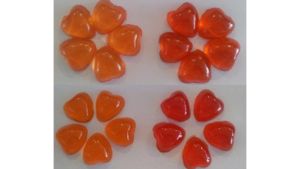
The top row in the image below shows carminic acid used at two different dose levels for light to dark orange shades. The second row shows that close matches are possible with carotenoids, in this case, our Emulsitech® Paprika. While the dosage rate requirements are slightly higher for the darker orange option, it provides heat and light similar compared to carminic acid.
Pink to Red
Beet
Beet is usually the first go-to alternative to carmine for pink to red shades. It has good light stability and an effective cost-in-use. It can also achieve close color matches to carmine in neutral pH applications like dairy beverages and yogurt.
So, why doesn’t everyone just use beet? Beet is notoriously susceptible to fading when exposed to heat. So, while it may work well for certain applications, it may not always survive the heating process associated with applications like strawberry dairy beverages or red velvet cakes.
The image below shows carmine on the left and two dosage levels of beet in cupcakes. The lower dose is not a match to the carmine cupcake and shows significant fading around the edges.
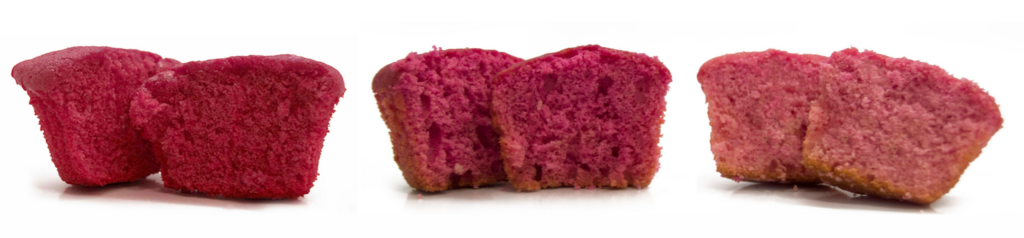
To avoid this, you can overdose a bit to compensate for some of the fading, as seen in the cupcake with the higher dose. But, while the fading is less noticeable and the color is a closer match than the one with the lower dose of beet, doing this requires a much higher dose rate that could result in flavor interference. That is why blends are often a better choice.
Beet is also not the most acid stable red color available, so lower pH applications like beverages, fruit prep, or gummies typically show better results using anthocyanins.
Anthocyanins
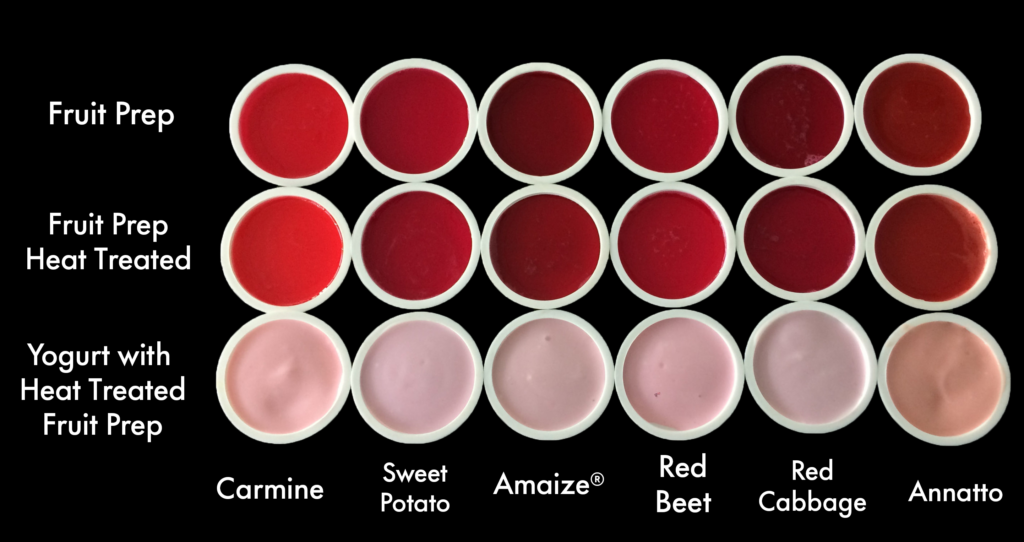
Anthocyanins provide bright red to pink hues in low pH applications. They are also fairly heat and light stable, making them great alternatives to carmine in products like fruit preps, fillings, and low pH beverages.
You can see here that the anthocyanins like purple sweet potato and Amaize® provide similar hues to carmine in fruit prep applications. both before and after heat treatment, the anthocyanins maintain their bright red color.
Blends
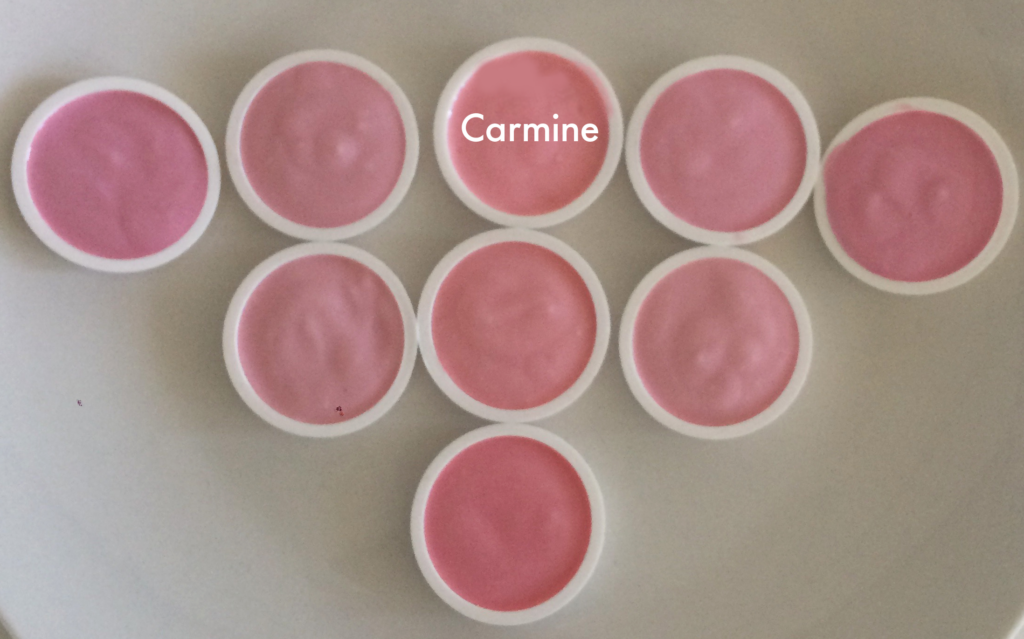
Blends will be your best option for replacing carmine when a single natural color alone doesn’t have the best stability or provide the right shade. Beet, for example, can be blended with more heat stable colors like beta-carotene or class I caramels to be used in dairy beverages or bakery applications with better results.
The image below shows carmine in yogurt in the top center row surrounded by a variety of blends using beet, anthocyanins, and beta-carotene at varying dosage levels. By varying the amount of these pigments in the blend, close color matches are possible!
The best way to make sure you are getting the best alternative to carmine for your product is to work directly with our application scientists. By providing your base material and target color, they can try different blends that will meet the stability and color requirements of your product as closely as possible.
Want to see how they do it? Check out our color matching article for the inside scoop. Or get started with a sample.