
Natural Colours for Citrus Beverages
Citrus colours: fresh and zesty
Citrus flavours stand out as timeless favorites for all sorts of foods but especially for drinks. Their tangy and refreshing profile not only enraptures taste buds but also creates a synesthetic experience that engages sight, taste, and smell, transporting us to moments that range from energy to relaxation to refreshment. Let’s take a look at how we can use natural colours for citrus beverages.
Crafting an atmosphere
To create an atmosphere that resonates with the emotionally loaded concepts that are usually linked to citrus profiles, like summer, freshness, excitement, and intensity, it’s essential to consider the visual appeal of citrus flavoured beverages.
And since visual appeal starts and ends with color design, we have to consider the actual pigments that citrus fruits produce. Oranges, mandarins, lemons, limes and grapefruits are all fruits called hesperidium (yes, like Hesperides’ garden from Greek mythology!) belonging to the same great family called Rutaceae. Their peel and pulp start out as green, with high contents of chlorophyll.
As they mature, the chlorophylls fade and they accumulate combinations of carotenoids like lutein, beta-carotene, lycopene, violoxanthin or zeaxanthin, among others. Some even produce anthocyanins, the red pigment found in berries, like the bold and delicious blood orange. Depending on the state of maturation each citrus fruit develops a particular blend of these pigments that is responsible for its distinctive colour.
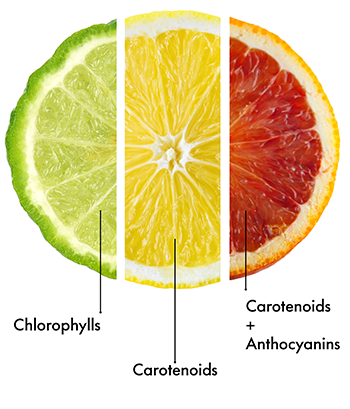
Choose from the citrus color wheel
Luckily, these pigments are also commonly used natural colours, so we can recreate the same precise visual imprint afforded by nature! Imagine capturing the vibrant green of limes by using copper chlorophyllin, or the sunny hue of lemons by using beta-carotene or safflower extract. And by utilizing blends of these same pigments, more nuanced citrus flavours are possible!
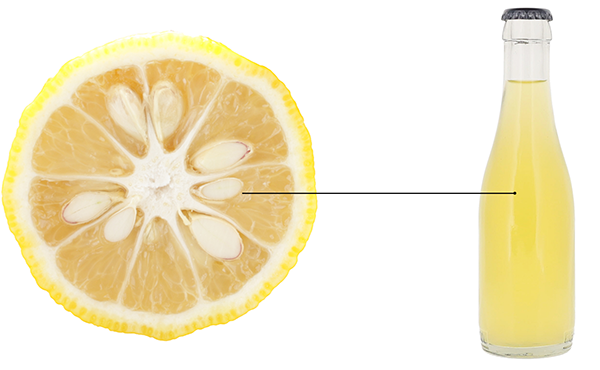
For example, the unique blend of citrus and herbal notes from Yuzu, can be replicated with emSeal® beta-carotene emulsions plus a hint of green from chlorophyllin.
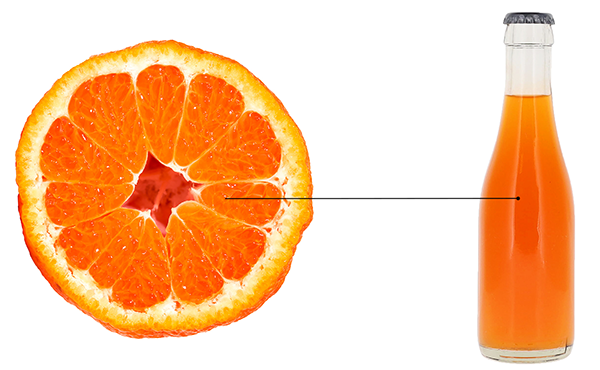
The ever-sought profile of orange juice or the fashionable profile of kumquats can be achieved with slightly orange tinted beta-carotene emulsions also from our emSeal® line, that can be designed with or without a cloudy appearance according to your liking. And the bright colours of mandarins, tangerines, or clementines can be achieved with emSeal® paprika emulsions that are deodorized to deliver all the colour without the pungency so the flavour can really shine.
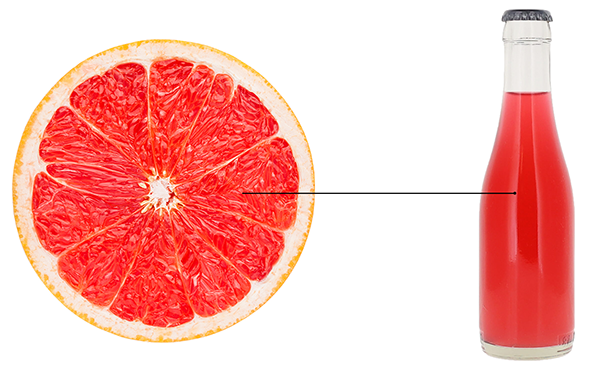
To capture the subtle pink tones of pomelos and grapefruits, either anthocyanin-based colour blends or lycopene emulsions can be employed. And finally, the same type or red anthocyanins can be employed to get the right shade of blood orange, hinting to that unique berry-like flavour of this trendy citrus variety.
Elevating citrus profiles with fruit blends
Citrus flavours on their own will always appeal to the consumer with their sweet and tangy charm. But innovative and delightful fusions with other fruits and herbs are also making a stand in the world of soft drinks and RTD beverages: raspberry lemonade, blueberry limeade or bold pairings like ginger and grapefruit…you name it! You can explore these expansions for flavourful profiles with an ever increasing range of our natural colour blends, all with unparalleled functionality and processing stability.
Treat your consumers with a captivating drinking experience that starts at first sight with vibrant natural colours that promise a taste adventure with every sip!
Looking for more information on how to create these refreshing colour inspirations? Download our Citrus Colour Palette below to see how we blended natural colours to match the wide variety citrusy shades. Or contact us to get started on a project.
Top 5 Considerations when Coloring Meat Alternatives
With so many different types of natural colors, choosing the right one for your meat alternative application can feel overwhelming. Whether you’re creating plant-based burgers, sausages, or mince, there are some important factors to consider when choosing a natural color. We’ve broken down the top 5 considerations when coloring meat alternatives to make your color decision easier.
1. Base Color
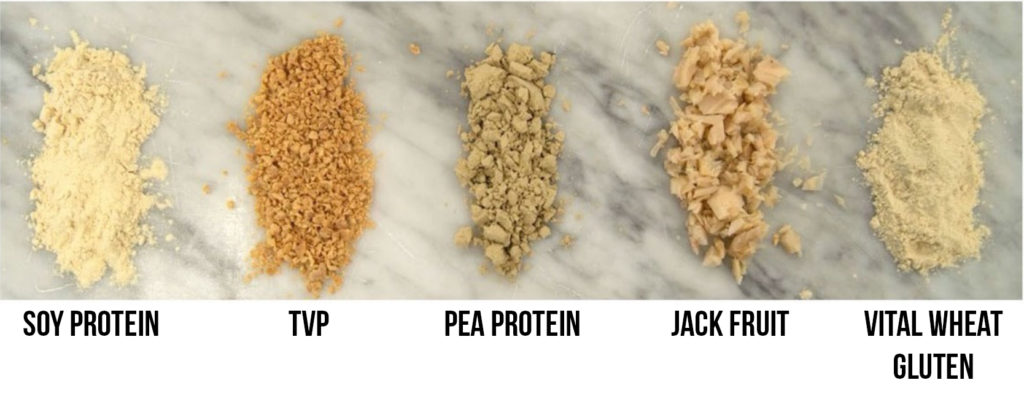
The first thing you’ll need to consider is the target color for your plant-based protein. And one of the main things that can impact this is the base color of your product. Depending on the type of meat alternative you’re trying to create, there are different proteins used in plant-based alternatives that all have different undertones. For example, soy protein is an off-white color, while pea protein is a light greenish brown, as seen in the photo below. You may need to change dosage levels or use blends to overcome the background color of these proteins and achieve your target shade.
It’s also important to choose the correct form of color. Natural colors come in both water and oil-soluble forms, as well as powder and liquid. For most meat alternatives, water-soluble colors are suitable. But oil-soluble colors should be used if the product has a particularly high fat content, or you are coloring fat inclusions.
2. Flavor
You’ll also need to determine what you want your product to look like when it reaches the consumer. Raw to cooked, pre-cooked, and frozen are the most common forms of meat alternatives. Each form requires consideration as to which shade will best suit the desired end appearance and look the most appealing to consumers. For this, you’ll need to consider both the type of meat alternative you’re trying to mimic (chicken, beef, lamb, etc.) and the flavor you’re using (ex: herb, BBQ, chipotle). Natural colors like turmeric, beta-carotene, annatto, and beet provide yellow tones for chicken and turkey-type products, while Naturbrown® ingredients can be used for the light tan to dark brown shades of pre-cooked options. Blends of these products can be used to create the perfect custom shade for your plant-based protein application.
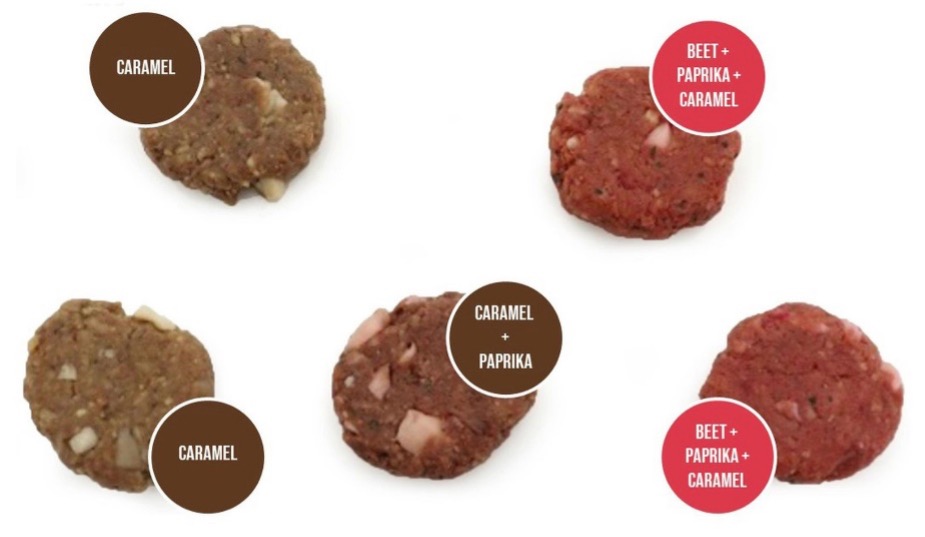
If you’re creating a plant-based “beef” product, customers will expect it to look like raw beef. Natural colors like beet work well for these pink to red hues. Many meat alternatives will require color blends to give them a more realistic raw to cooked appearance. This can be achieved with additional colors like paprika and caramel.
3. Thermal Processing
The thermal processing conditions your product is exposed to before it reaches the consumer will also impact your color selection. Is it a raw product that is cooked later by the consumer, or is it a pre-cooked product where the color change is controlled by manufacturing? If you want the color of your product to stay consistent through processing and consumer cooking, as for a pre-cooked item, you’ll want to choose heat stable colors like class I caramels or Naturbrown® ingredients. Or, if you need it to change in color as the consumer is cooking it, like with a raw to cooked product, you’ll want to choose reds that are prone to fading with heat, like beet. The thermal heat your product is exposed to in the manufacturing process is critical to selecting the right natural colors to achieve your desired end look.
4. Packaging, Storage, & Shelf Life
It’s important to consider your product’s packaging, storage conditions, and shelf life. Plant-based proteins are typically neutral in pH and are stored in the refrigerator or freezer section of the supermarket, so a wide variety of colors are available. Freezer and refrigeration temperatures are ideal for natural color stability. If the product is refrigerated, it will also be on the shelf for a shorter amount of time than a product that’s frozen, but it may have clear packaging, so be sure to choose colors that have good light stability.
5. Label Declarations
Since meat alternatives are popular with vegans and vegetarians, you’ll need colors that meet these claims. In these cases, you would need to select red beet color or another color blend as opposed to something like carmine. Additional label claims like kosher, halal, organic, and non-GMO project verified can also impact your color selection. The best way to find a color that meets your required label claims is to work with your natural color supplier.
Figuring out how to choose the right natural color for your meat alternatives application can be difficult, but when you choose the right one, your plant-based protein will ‘cook’ the competition! Need some help deciding? Contact us with your questions or watch our webinars vol. 1 & vol. 2 for more information. You can also get started with a sample kit. Or click here to learn about our other Plant Attitude solutions, like flavours, textures, and fragrances!